

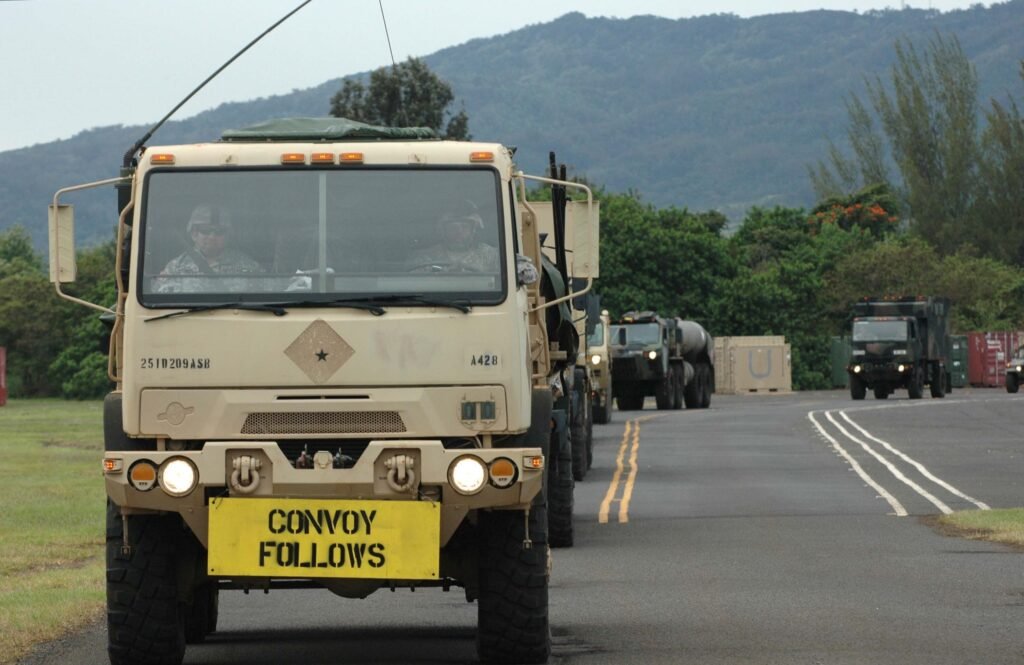
Secure for NGO and Government Convoys
Government missions and non-governmental organizations (NGOs) regularly require efficient, secure, and scalable group transportation solutions—whether for field operations, emergency deployments, diplomatic visits, international conferences, election monitoring, humanitarian outreach, or peacekeeping initiatives. In these sensitive and mission-critical contexts, Coach Hire for Government or NGO Convoy Services offers a highly coordinated, secure, and purpose-built transport solution tailored to the complex needs of official and humanitarian operations.
This in-depth guide explores the operational, logistical, technical, and ethical dimensions of organizing coach convoy services for governmental and NGO clients. From fleet security and driver vetting to cross-border permissions and mobile command units, we’ll explore how modern coach hire providers can support civil, diplomatic, humanitarian, and development goals through reliable, mission-ready transportation.
Unlike leisure tourism or business travel, government and NGO convoy services operate under heightened logistical and operational pressure. They often involve:
- Multiple coaches traveling together
- Security escorts or checkpoints
- Time-sensitive missions
- Cross-border operations in fragile or transitional regions
- Multinational teams requiring multilingual support
Whether it’s transporting UN field staff to rural project sites or moving election observers across multiple regions in Africa or Eastern Europe, convoy services require planning precision, security assurance, and flexible response capacity.
What Is a Government or NGO Convoy Coach Service?
A convoy coach service involves a fleet of coaches (often 2–15 vehicles or more) traveling in coordinated formation to a shared destination, Secure for NGO and Government Convoys either in urban zones, rural territories, or cross-border regions.
Convoys are often used by:
- Diplomatic corps during state visits or summits
- Election observers or peacekeeping delegations
- NGOs operating in humanitarian or disaster zones
- Government-sponsored cultural or educational missions
- Refugee resettlement or evacuation coordination
- Field staff deployment in development or healthcare programs
These convoys may include:
- Buses and minibuses
- Support vehicles
- Medical/emergency escort vehicles
- Security or military liaison vehicles
Key Features of Coach Hire for Convoy Services
Centralized Command and Communication
Convoy coach hire includes a central command vehicle or mobile control center for route management, emergency response, and communication with mission control or headquarters.
Secure Driver Network
Drivers are vetted for:
Background checks
Crisis awareness
Language compatibility
Military or humanitarian experience (in some regions)
Route Planning and Risk Assessment
Specialists work with organizers to:
- Identify safe routes
- Assess border and checkpoint delays
- Monitor road conditions and local tensions
- Coordinate with local authorities or UN presence
Multilingual and Multicultural Capabilities
For multinational delegations or NGO teams, coaches often include multilingual signage, driver-interpreter teams, or multilingual PA systems.
Compliance with Legal and Diplomatic Protocols
Convoy services often require:
Diplomatic clearances
Temporary road-use permits
Coordination with embassies, ministries, or UN field offices
Who Uses Government/NGO Convoy Coach Services?
Ministries and Government Departments
- Ministries of Foreign Affairs
- Cultural Affairs and Educational Outreach Divisions
- Health and Disaster Response Units
International and Intergovernmental Organizations
- United Nations (UNDP, UNICEF, WHO, UNHCR)
- European Union delegations
- African Union, ASEAN, or other regional entities
Humanitarian and Development NGOs
- Médecins Sans Frontières (Doctors Without Borders)
- Red Cross/Red Crescent
- Oxfam, CARE International, Save the Children
- Faith-based relief organizations
Electoral and Governance Missions
- International election observers
- Government-sponsored democracy support programs
- Civil society coalitions and conflict monitoring teams
Fleet and Vehicle Configurations
Large Coaches (45–59 seats)
Ideal for major delegations or large NGO deployment teams.
Features:
- Secure luggage storage
- GPS tracking and live route updates
- Satellite communication systems
- Climate control for tropical or desert climates
Minibuses and Vans (8–24 seats)
Used for last-mile transport in rural or high-risk zones where maneuverability is key.
Features:
Four-wheel drive for terrain flexibility
Reinforced fuel tanks and suspension
Radio communication systems
Support and Escort Vehicles
For command staff, mobile medics, or liaisons.
Options include:
- SUVs
- Armored vehicles (if required)
- Mobile coordination vans
Planning and Execution: Key Operational Considerations
Mission Briefing and Coordination
Pre-trip meetings between coach operators and mission planners define:
- Staging points
- Roles and responsibilities
- Emergency procedures
- Passenger manifest and ID verification protocols
Security Integration
Where needed, convoy services are integrated with:
- Police or military escorts
- UN blue helmet security units
- Local armed guards in conflict zones
Security features may include:
- Panic buttons
- Vehicle immobilizers
- Driver duress alerts
- Bullet-resistant windows (optional)
Border Crossings and Customs
Cross-border convoys require:
- Multi-country permits
- Customs declarations for cargo or aid supplies
- Advanced liaison with consular and customs officials
Real-Time Monitoring and Reporting
Live tracking ensures:
- Centralized visibility of all vehicles
- Immediate response in case of breakdown or delay
- Data archiving for accountability and mission reports
Real-Life Examples of Convoy Services
Example 1: UN Peacebuilding Delegation in West Africa
A 10-coach convoy transported over 300 delegates from capital cities to rural governance workshops across Sierra Leone and Liberia. The convoy included interpreters, emergency medics, and route escorts. Coordination occurred between the UN field office and local law enforcement.
Example 2: Emergency Medical Deployment in South Asia
An NGO deployed a convoy of minibuses and mobile medical units across earthquake-affected zones in Nepal. Coaches carried medical staff, logistics teams, translators, and supply crates. Altitude-ready vehicles with multilingual signage were used.
Example 3: Election Observers in the Balkans
EU and OSCE monitors traveled in secured coach convoys across rural Serbia and North Macedonia. Vehicles were branded neutrally and drivers were briefed on diplomatic neutrality and engagement protocols.
Technical and Logistical Requirements
| Feature | Importance |
| GPS & Satellite Tracking | For real-time route updates and safety monitoring |
| Vehicle Redundancy | Backup vehicles included in convoy in case of breakdown |
| Communication Equipment | Radios, satellite phones, intercoms across all coaches |
| Fuel & Supply Logistics | Planning for remote zones with no refueling stations |
| Driver Training | Situational awareness, first aid, conflict-sensitive conduct |
| Onboard Infrastructure | WiFi, power outlets, climate systems, lavatories |
Environmental & Ethical Considerations
Carbon Footprint Monitoring
NGOs and government clients may request eco-compliant coaches with Euro 6 engines, carbon offset options, or hybrid/fuel-efficient vehicles.
Ethical Conduct
Drivers and staff must:
- Adhere to strict neutrality policies (no political opinions shared)
- Respect passenger confidentiality
- Undergo anti-harassment and safeguarding training
Cultural Sensitivity
Cultural briefings and inclusive onboard facilities (e.g., prayer space, dietary accommodations) are often essential.
Challenges and Contingency Planning
| Challenge | Solution |
| Political instability en route | Rerouting, standby hubs, real-time security updates |
| Vehicle breakdown in remote areas | Redundant coaches and mobile mechanics included |
| Multinational team miscommunication | Multilingual tour managers or coordinators onboard |
| Visa or customs delays | Advance clearance, consular pre-coordination |
Selecting the Right Coach Hire Provider
Checklist for Government or NGO Convoy Services:
- Experience with humanitarian, diplomatic, or government contracts
- Access to multilingual drivers and interpreters
- Security-cleared fleet and staff
- Central command support with 24/7 communication
- Flexibility for route, region, and political context
- ESG (Environmental, Social, Governance) compliance
- References from previous institutional clients
Bonus: Providers who understand UN procurement, EU tendering processes, or USAID-compliant reporting can ease operational paperwork significantly.
Future Trends: Innovation in Convoy Transport
Smart Fleet Monitoring
AI-based route optimization, driver behavior analytics, and fuel efficiency tracking help improve both safety and sustainability.
Modular Mobile Units
NGOs increasingly request modular coaches that convert into clinics, classrooms, or meeting rooms once parked.
Green Convoys
Electrified fleets or hydrogen-powered buses for low-emission relief missions in eco-sensitive zones.
Integrated Humanitarian Logistics
Coach hire integrated with:
- Mobile warehouses
- Real-time customs data sharing
- Last-mile drone support
Conclusion: Strategic Transport for Strategic Missions
Whether it’s delivering aid workers to disaster zones, transporting officials to summits, or supporting peace-building projects across borders, Coach Hire for Government or NGO Convoy Services is more than just wheels on the road—it’s strategic infrastructure for mission success. With vetted drivers, secure fleets, command support, and adaptive logistics, this service empowers public sector and non-profit stakeholders to move people safely, efficiently, and respectfully—no matter the region or challenge. In a world increasingly defined by mobility and cooperation, the ability to deploy people across distances while maintaining cohesion, security, and cultural sensitivity is an operational necessity. A well-organized coach convoy doesn’t just carry passengers—it carries purpose.