
Educational Coach Tours Iceland
Iceland is one of the most geologically and geographically fascinating destinations on the planet. Known as the “Land of Fire and Ice,” it sits directly on the Mid-Atlantic Ridge and offers geography students a living classroom filled with active volcanoes, glaciers, geysers, tectonic plate boundaries, lava fields, and geothermal hot springs. For school groups and university geography departments, a field trip to Iceland is not just a journey—it’s an immersive experience into Earth’s dynamic systems. Whether exploring the explosive forces of Eyjafjallajökull, the glacial lagoons of Jökulsárlón, or the rift valley at Þingvellir, Iceland is unmatched for physical geography study. Coach hire in Iceland enables educational groups to navigate the country’s dramatic terrain efficiently, comfortably, and safely, offering the flexibility to access both popular sites and remote geological features.
Why Use Coach Hire for Geography Field Trips in Iceland?
- Efficient Group Transportation
Coach hire provides schools and universities with a private, scheduled, and direct form of travel around the island. Iceland’s topographical features are spread over wide areas, Educational Coach Tours Iceland often without direct public transport access.
- Comfort and Safety
Modern Icelandic coaches are well-equipped for year-round travel, even in challenging weather. Heated interiors, luggage storage, onboard Wi-Fi, and reclining seats ensure students and staff travel in comfort and safety.
- Experienced Local Drivers
Driving in Iceland requires knowledge of unique road conditions, especially during winter or when navigating mountainous or volcanic zones. Local drivers are familiar with the terrain and offer peace of mind for educators.
- Customizable Itineraries
With private coach hire, geography field trips can follow a flexible schedule. Add or remove stops, extend time at key sites, or divert due to weather—something not possible with public transit or rigid tour groups.
- Time-Efficient Exploration
Many of Iceland’s top geography sites are in rural or isolated locations. A coach lets you reach them without delays or transfers, maximizing learning time and minimizing logistical stress.
Planning a Geography Field Trip to Iceland: Essentials
- Define Learning Goals
Determine what topics will be covered:
- Plate tectonics and fault lines
- Volcanic activity and lava formations
- Glacial erosion and deposition
- River systems and waterfalls
- Geothermal energy
- Human adaptation to extreme environments
- Sustainable tourism and environmental geography
- Ideal Time to Travel
- Spring (April–June): Melting glaciers and accessible roads
- Summer (July–August): Midnight sun, most daylight
- Autumn (September–October): Fewer tourists, rich colors, and possible Northern Lights
- Winter (November–March): Short days, icy conditions—only advisable with experienced providers
- Choosing the Right Base
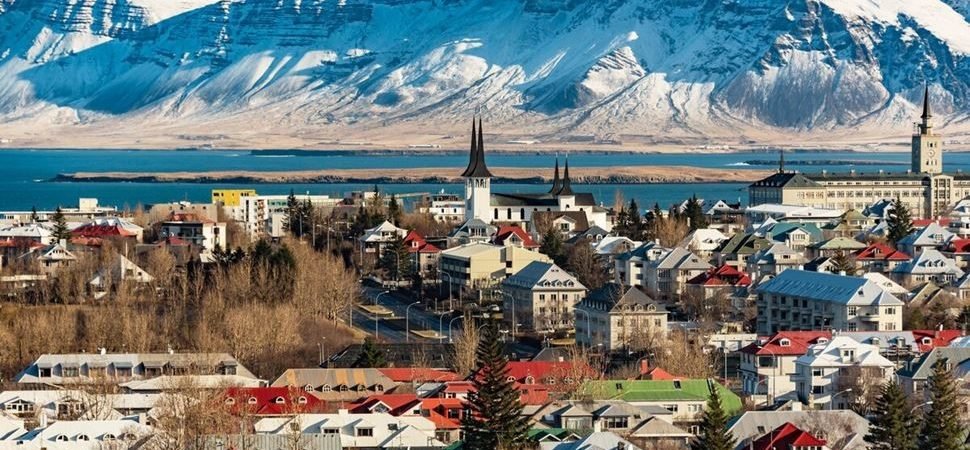
Most field trips start from Reykjavík, Iceland’s capital, with great coach infrastructure and proximity to major attractions like the Golden Circle. However, longer trips to the South Coast, Snæfellsnes Peninsula, or East Fjords can be arranged.
Sample 5-Day Coach-Based Geography Field Trip Itinerary in Iceland
Day 1: Arrival and Geothermal Introduction
- Arrival in Keflavík International Airport
- Private coach transfer to accommodation in Reykjavík
- Visit to the Blue Lagoon (optional, geothermal spa built on a lava field)
- Evening lecture/introduction to Icelandic geography and tectonic activity
Day 2: Golden Circle – Tectonics and Hydrology
Coach travel to the Golden Circle:
Þingvellir National Park: Rift valley between the North American and Eurasian tectonic plates. Plate boundary fieldwork.
Geysir Geothermal Area: Study of hydrothermal activity, pressure systems, and underground heat.
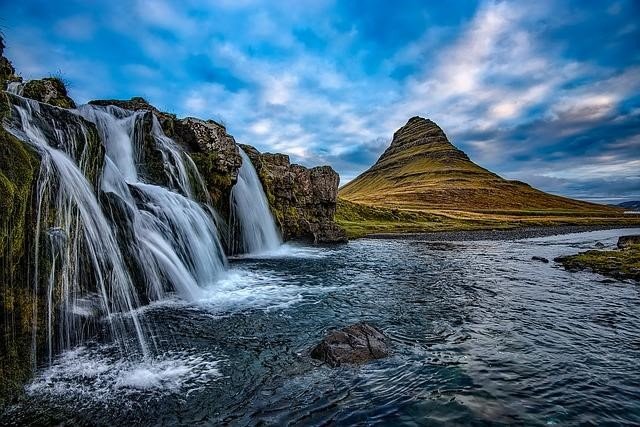
Gullfoss Waterfall: Analyze river erosion, glacial meltwater contributions, and hydrological cycle.
Return to Reykjavík for discussion session or journaling.
Day 3: South Coast – Glaciers, Lava Fields, and Erosion
Coach journey along the Ring Road (Route 1):
Seljalandsfoss & Skógafoss: Waterfalls for studying erosional processes and water volumes.
Eyjafjallajökull Volcano Visitor Centre: Insights into 2010 eruption’s global impact and local adaptation.
Sólheimajökull Glacier: Optional glacier walk with guides to examine crevasses, moraines, and glacial recession.
Reynisfjara Black Sand Beach: Coastal erosion, basalt columns, and wave dynamics.
Overnight in Vík or return to Reykjavík depending on time.
Day 4: Skaftafell & Jökulsárlón (Optional Long-Day Extension)
Coach excursion eastward along the southern coast:
Vatnajökull National Park: Europe’s largest glacier—investigate glacial landforms and ice dynamics.
Jökulsárlón Glacier Lagoon: Floating icebergs and interaction between glacial melt and marine systems.
Diamond Beach: Black sand covered with ice shards—perfect for climate change discussions.
Evening return to Vík or Reykjavík.
Day 5: Urban Geography & Sustainability
Visit to Hellisheiði Geothermal Power Plant: Iceland’s renewable energy initiatives and geothermal infrastructure.
Perlan Museum: Overview of Icelandic ecosystems, glaciers, and climate change exhibits.
Harpa Concert Hall and Old Harbour: Urban development, tourism, and environmental planning.
Transfer to airport for departure.
Key Geography Topics Covered During the Field Trip
- Tectonic Plate Boundaries
- Study the Mid-Atlantic Ridge at Þingvellir where two tectonic plates diverge.
- Measure and observe fault lines, fissures, and earth movement zones.
- Volcanism
- Explore the effects of volcanic eruptions like Eyjafjallajökull and Hekla.
- Identify lava fields, volcanic cones, and ash deposits.
- Glaciation
- Visit active glaciers such as Sólheimajökull or Vatnajökull.
- Learn about ice erosion, deposition, glacial movement, and climate change.
- River and Coastal Systems
- Examine Iceland’s many waterfalls and braided rivers.
- Study erosion, sediment transport, and deposition processes.
- Geothermal Energy and Sustainability
- See working geothermal power stations and discuss energy solutions.
- Learn about Iceland’s role in sustainable development and renewable infrastructure.
- Human Geography and Tourism
- Understand the challenges of settlement in a geologically active zone.
- Study Iceland’s tourism industry, urban planning, and environmental protection.
Educational Enhancements for the Trip
- Field Notebooks & Data Collection
Encourage students to maintain daily field journals. Include:
- Weather data
- Site sketches
- Annotated maps
- Soil/rock type identification
- Observations on erosion, deposition, and land use
- Interactive Learning
- Onboard commentary by geography teachers or local guides.
- Student-led presentations on glacial retreat, volcanism, or renewable energy.
- Group activities such as measuring fault widths or comparing erosion sites.
- Use of Technology
- GPS mapping and elevation tracking on hikes.
- Mobile apps for geology identification (e.g., RockD).
- Drones (if permitted) for aerial views and photography.
Choosing the Right Iceland Coach Hire Provider
When selecting a coach company for educational purposes, look for:
- Experience with School Groups
Ensure they’re familiar with educational travel, have a reputation for safety, and offer flexibility for unforeseen changes.
- Modern, Comfortable Coaches
Seek heated interiors, safety belts, Wi-Fi, luggage capacity, and microphone systems for commentary.
- Local Driver Knowledge
Routes may involve unpredictable weather or unpaved roads—an experienced Icelandic driver is crucial.
- Custom Support
Choose companies that help with route planning, accommodation logistics, and activity coordination.
Recommended Coach Operators in Iceland
- Reykjavík Excursions – One of the largest operators, offering both custom coach hire and educational tours.
- Gray Line Iceland – Offers tailored services with coaches suitable for groups and schools.
- Sterna Travel – Known for their small-group and flexible educational options.
- Iceland Travel – Experienced DMC with customizable geography-themed itineraries and group transport.
Tips for Teachers and Organisers
- Prepare for Weather: Icelandic conditions can shift quickly. Ensure students bring waterproof layers, sturdy boots, and thermal gear.
- Risk Assessment: Complete detailed assessments, especially for glacier walks or cliffside sites.
- Travel Insurance: Include health and weather-related coverage.
- Emergency Protocols: Review with students before remote site visits.
- Sustainability Education: Emphasize responsible tourism and Leave No Trace principles.
The Transformative Power of Geography Field Trips
A coach-based geography field trip to Iceland allows students to directly engage with Earth’s most powerful processes. No textbook can fully convey the immensity of a glacier, the heat of a geyser, or the awe of standing between tectonic plates. The combination of seamless travel, tailored education, and immersive exploration makes coach hire the perfect solution for large groups aiming to get the most out of Iceland’s remote and inspiring geography. By investing in this kind of experiential education, teachers provide students with a perspective-shifting journey—one that links classroom theory with real-world observation and fosters a deep, lasting understanding of our planet’s forces.