
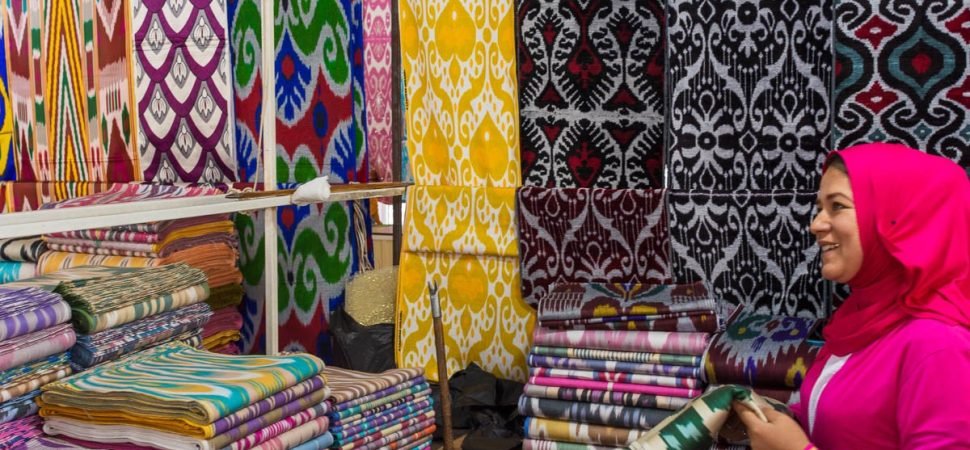
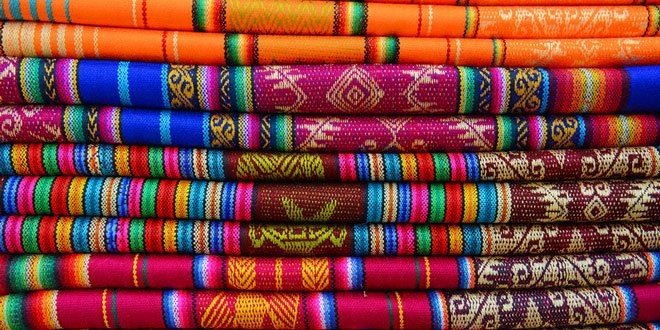
“Eastern European Folk Textile Tour Coach Hire”
Eastern Europe is a treasure trove of textile traditions, offering intricate embroidery, vibrant folk costumes, handwoven fabrics, and centuries-old artisan techniques passed down through generations. For textile and fabric lovers, a journey across this region is not only aesthetically rewarding but deeply cultural and historical. Whether you’re a student of fashion, a designer, a collector, or simply an enthusiast, travelling by coach hire offers a flexible, affordable, and comfortable way to explore this richly woven world. This article fully explores how coach hire can elevate your textile discovery across Romania, Hungary, Bulgaria, Poland, and the Baltic States. From village workshops to national museums, from embroidery co-operatives to silk road remnants, we chart out a fascinating route for group tours, academic delegations, and craft collectives.
Why Coach Hire Is Ideal for Textile Tourism
- Custom Itineraries for Niche Interests
Hiring a private coach allows your group to go off the beaten path, “Eastern European Folk Textile Tour Coach Hire” accessing rural weaving villages, small-town ateliers, and remote folk museums that public transport cannot easily reach.
- Space for Equipment & Shopping
Textile lovers often travel with sketchbooks, photography gear, or even loom samples. Coaches with trailers or undercarriage storage accommodate these needs—and leave room for purchases like bolts of fabric or regional costumes.
- Comfort Across Long Distances
Eastern European roads between regions like Transylvania and Maramureș or Kraków and the Tatra Mountains can be long. A modern coach provides comfortable seating, air conditioning, onboard Wi-Fi, and rest stops.
- Group Learning & Cultural Sharing
A coach journey fosters an immersive environment for dialogue. Onboard guides or guest lecturers can enhance the trip by explaining textile traditions, showing samples, or preparing you for upcoming visits.
Suggested Route: A 12-Day Textile Tour Across Eastern Europe
Day 1–2: Bucharest, Romania – Gateway to Romanian Textiles
Begin in Bucharest, a capital blending old-world charm with modern energy.
Highlights:
- Museum of the Romanian Peasant: Home to thousands of authentic garments, hand-woven cloth, dowry chests, and folk weaving equipment.
- Obor Market: Traditional fabric sellers and lace vendors still operate here.
- Workshop Visit: Arrange a coach-side visit to local ateliers practicing the art of “ie” embroidery—blouses that inspired Dior’s haute couture.
Coach Advantage: Visit the nearby Snagov Monastery or even venture into the foothills of the Carpathians to see rural seamstresses at work.
Day 3–4: Maramureș & Bucovina – Folk Fabric Strongholds
Hire a coach to head north to Maramureș, Romania’s heritage-rich region.
Highlights:
- Ieud & Săpânța Villages: Wooden churches and markets that still use wool, flax, and homespun linen.
- Monasteries of Bucovina: Painted monasteries like Voroneț and Humor are not only architectural marvels—they also showcase ecclesiastical textiles, vestments, and gold-thread embroidery.
Optional: Stop at Marginea Village, famous for its black ceramics—a material often combined with fabric design in local crafts.
Coach Advantage: Navigate the winding Carpathians and stop at tiny roadside stalls selling woven belts and embroidered table runners.
Day 5–6: Budapest, Hungary – Textile Fusion of East and West
Cross into Hungary, where Ottoman, Austro-Hungarian, and Magyar styles merge.
Highlights:
- Museum of Applied Arts: Contains stunning textile and costume collections, especially from Art Nouveau periods.
- Matyó Museum in Mezőkövesd: Just a short coach ride outside the city, it focuses on the UNESCO-listed Matyó embroidery style.
- Local Workshops: Learn about kalocsai embroidery and see women in traditional headwear still stitching folkloric patterns.
Coach Advantage: Make a detour to Hollókő, a UNESCO village where textile-making is still a way of life.
Day 7–8: Bulgaria – Balkan Weaving Traditions in Veliko Tarnovo and Plovdiv
Drive south into Bulgaria, an often-overlooked textile paradise.
Highlights:
- Etar Open-Air Museum (Gabrovo): Dedicated to preserving crafts including weaving, dyeing, and homespun clothing.
- Veliko Tarnovo: Visit a textile school and interact with students keeping alive old dyeing traditions.
- Plovdiv Old Town: Browse the Revival Period houses that double as museums and fabric exhibitions.
Optional: Include a stop in Kotel, where there’s a national school for folk crafts and the Museum of Carpet Weaving.
Coach Advantage: Comfortable access to mountain villages where wool and sheepskin are central to daily life.
Day 9–10: Poland – The Embroidered Heart of Eastern Europe
Next, travel northwest toward Poland, a country known for paper-cut designs, Łowicz folk art, and exquisite costuming.
Highlights:
- Łowicz Folk Museum: Vivid floral embroidery, cut-paper doilies, and colorful aprons.
- Zakopane in the Tatra Mountains: Goral culture offers heavy wool fabrics, leatherwork, and layered winter clothing traditions.
- Kraków: The Ethnographic Museum displays cross-regional folk costumes and antique weaving looms.
Coach Advantage: Your coach can take scenic drives through the mountains, stopping at shepherds’ huts where wool preparation is still done manually.
Day 11–12: Lithuania, Latvia & Estonia – Baltic Textiles & Linen Traditions
Finish in the Baltics, where linen and geometric design reign.
Lithuania:
- Vilnius: Linen shops and boutique designers working with natural dyes and fibers.
- Rumšiškės Open-Air Museum: Folk architecture and full costumes from each region of Lithuania.
Latvia:
- Turaida Museum Reserve: 18th-century weaving looms and handmade wedding garments.
- Riga Art Nouveau Centre: Showcases embroidered tapestries and Art Nouveau patterns inspired by folk design.
Estonia:
- Viljandi: Home to the Estonian Traditional Music Center and nearby weaving cooperatives.
- Setomaa Region: Unique Orthodox-inspired textiles using bead embroidery.
Coach Advantage: Efficient cross-border transfers with stops in regional craft villages like Kihnu Island, famous for UNESCO-recognised striped skirts and singing traditions.
Specialized Stops for Fabric Enthusiasts
- Textile Markets & Fabric Bazaars
- Pecs, Hungary and Varna, Bulgaria: Traditional fabric stalls and handmade ribbon weavers.
- Cluj-Napoca, Romania: Urban design markets showcasing young textile artists.
- Textile Schools & Guilds
- Kraków Academy of Fine Arts (Poland): Contact for guided student exhibitions.
- National University of Arts, Bucharest: Textile faculty often collaborates with visitors.
- Natural Dye Workshops
- Transylvania: Indigo dyeing in rural co-operatives.
- Latvia: Mushroom and lichen-based dyes used in traditional skirts.
Coach Hire Tips for Textile-Themed Tours
- Choose a Coach with Storage
Fabric rolls, workshop materials, and souvenir garments require ample luggage space.
- Hire a Textile-Literate Tour Guide
Having a guide familiar with textile vocabulary, heritage, and workshop etiquette can deeply enhance your tour.
- Custom Routes with Rural Detours
Use a flexible coach provider that allows custom detours for pop-up fairs, seasonal festivals, or on-the-spot weaving demos.
- Onboard Learning
Request coaches with multimedia screens so you can preview upcoming locations or watch documentaries about regional fabric-making.
- Cultural Sensitivity Training
Especially when visiting Roma tailors, Orthodox artisans, or Muslim women-led weaving communities, it’s wise to have pre-visit etiquette sessions.
Festivals & Events for Textile Lovers (Time Your Coach Trip Accordingly)
- Romanian Blouse Day (June 24) – Celebrated across Romania with pop-up stalls and fashion shows.
- Matyó Festival, Hungary (August) – Folk dancers and embroiderers unite in traditional dress.
- Baltic Craft Weeks (June–August) – Markets and workshops in Riga, Tallinn, and Vilnius.
Eco-Textile Opportunities in Eastern Europe
Textile tourism is increasingly intersecting with sustainability. Coaches, by their nature, reduce carbon footprints per traveler. Many weaving co-operatives also use:
- Organic wool and linen
- Plant-based dyes
- Zero-waste design principles
Your coach route can include visits to:
- Sustainable linen farms in Lithuania
- Sheep wool co-operatives in Romania’s Apuseni Mountains
- Recycled clothing art installations in Sofia, Bulgaria
Conclusion: A Textile Tapestry on Wheels
Exploring Eastern Europe by coach hire is the most immersive, practical, and community-based way for fabric and textile lovers to engage with the region’s rich material culture. From centuries-old looms to modern reinterpretations of folk art, every mile reveals a new stitch in the story. Whether you’re tracing the path of flax through the Baltics or photographing intricate Hungarian lace, let your coach be more than just transport—let it be the mobile thread that ties together the unique and vibrant fabric culture of Eastern Europe.