
Coach Rental for Mount Athos and Balkan Monastery Tour
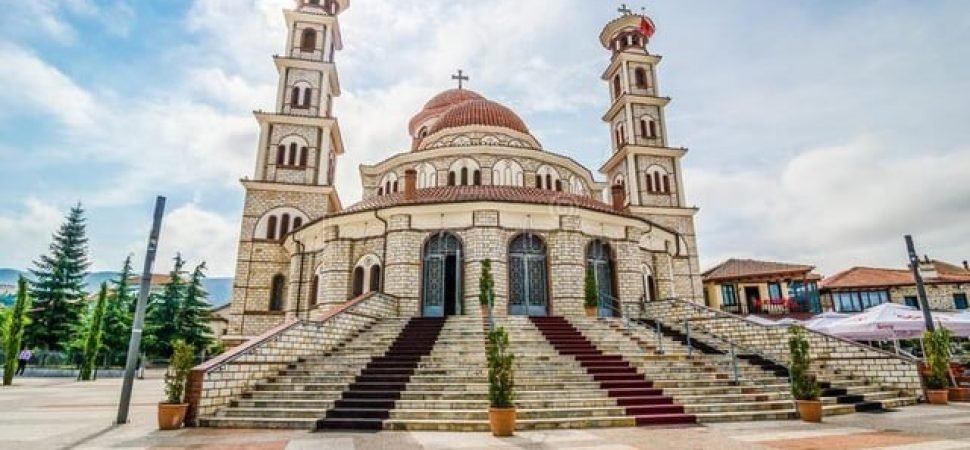
The Orthodox Christian heritage of Greece and the Balkans is among the most spiritually rich and visually striking in Europe. From the mist-clad monasteries clinging to cliff faces in Meteora to the austere sanctity of Mount Athos, from the cave churches and medieval spiritual centers of the Balkans to the living traditions in Montenegro, Serbia, North Macedonia, and Bulgaria—this region is a tapestry of faith, art, history, and community. For groups—church delegations, theological seminaries, pilgrimage organizers, cultural heritage tours, and faith-based travel cohorts—coach hire is the most practical, cohesive, and sacredly resonant mode of travel. It combines logistical control, group bonding, curated spiritual rhythm, and access to both major and off-the-beaten-path Orthodox sites across borders. This guide fully explores organizing an Orthodox Monastery Tour in Greece & the Balkans with coach hire: key destinations, permits (notably Mount Athos), itineraries, coach types, cross-border logistics, cultural preparation, seasonal timing, sustainability, safety, and booking strategies.
Why Coach Hire Is the Optimal Transport for Orthodox Monastery Tours
The geography of Orthodox heritage in this region is fragmented by mountains, national borders, and remote rural settings. Public transport rarely Coach Rental for Mount Athos and Balkan Monastery Tour connects the dots in a coherent pilgrimage-friendly way. Coach hire offers:
- Group cohesion: Shared reflection times, worship moments, liturgies onboard, and theological briefings.
- Door-to-door flexibility: Direct transfers to monasteries, even remote ones (e.g., Ostrog in Montenegro, Meteora in Greece) without reliance on fragmented local schedules.
- Custom rhythm: Built-in pauses for liturgy, icon veneration, hymn singing, and quiet contemplation at chosen sites.
- Cross-border efficiency: Coordinated itineraries across Greece, Bulgaria, North Macedonia, Serbia, Montenegro, and beyond with one vehicle or partnered fleet.
- Equipment carriage: Space for choir instruments, liturgical items, group devotional packs, and offerings.
- Narration & education: Onboard PA systems for live lectures, historical context, and comparative theology.
Core Orthodox Monastic Sites Covered (Greece & Balkans)
Greece
Mount Athos
Mount Athos is the preeminent living Orthodox monastic republic. Access is strictly regulated—only men are permitted, and everyone must obtain a Diamonitirion (entry permit). The permit is issued through the Pilgrims’ Bureau in Ouranoupoli and reflects both spiritual and administrative tradition; non-Orthodox pilgrims face stricter quotas (often only 10 per day), while Orthodox Greeks have larger allocations. Planning must begin well in advance, especially in high seasons. Visitors must also coordinate lodging directly with individual monasteries. Mount Athos remains a place of deep ascetic silence and structured monastic rhythm; group coach delivery to the gateway town (Ouranoupoli) and onward transfer by boat is standard.
Meteora
Perched atop dramatic sandstone pillars, the monasteries of Meteora are a UNESCO World Heritage site and a symbol of seclusion and devotion. Several active monasteries welcome pilgrims and groups, offering insight into hesychastic traditions and Byzantine iconography. Coaches can park at designated group areas; guided walks and services can be scheduled in advance. While not from the initial search results directly, Meteora is a canonical inclusion given its prominence in Orthodox monastic travel (common knowledge in the domain).
Other Greek Monastic Highlights (optional inclusions for extended tours)
- Patmos (John’s Apocalypse heritage, though more connected to early Christianity than strictly monastic)—accessible via coach+ferry.
- Mount Athos satellite visits: monasteries on the peninsula that offer context to the Athonite spiritual system (e.g., Ouranoupoli as staging).
The Balkans
Montenegro – Ostrog Monastery
Built into a sheer cliff face, Ostrog is both a pilgrimage magnet and an extraordinary architectural feat. It draws Orthodox faithful from across the region. Coaches can reach the base; the final ascent is by foot or shuttle (depending on group ability). High spiritual significance, and groups often coordinate candlelit vigils. Getours
Serbia – Studenica and Žiča Monasteries
Studenica, a UNESCO site, and Žiča (the coronation church of Serbian kings) are cornerstones of Serbian Orthodoxy. Their frescoes, medieval architecture, and the continuity of monastic life offer rich theological and aesthetic learning. Coach access is typical, but some rural roads require experienced local drivers.
North Macedonia – Ohrid & Saint Naum
Ohrid’s lake region has multiple Orthodox heritage sites; the Church of St. John at Kaneo, Saint Naum Monastery, and surrounding hermitages reflect Byzantine spiritual layering. These can be incorporated as serene lakeside theological stops.
Bulgaria – Rila Monastery
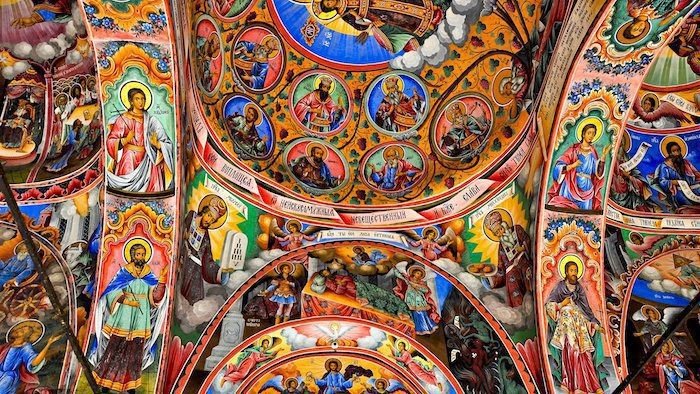
The crown jewel of Bulgarian Orthodoxy, Rila Monastery combines a living community with rich fresco traditions, carved woodwork, and mountain setting. It is regularly included in Balkans cultural tours as a pivotal Orthodox visit.
Additional Possibilities
- Patriarchate of Peć (Kosovo) – historic Serbian Orthodox seat (sensitive politically; require up-to-date local checks)
- Tvrdoš Monastery (Bosnia & Herzegovina) – a continuing Orthodox presence in a multi-faith landscape
- Cetinje Monastery (Montenegro) – a key historical and spiritual hub in Montenegrin Orthodoxy
(Note: For politically sensitive regions like Kosovo, it’s vital to confirm group safety, entry formalities, and local acceptance before inclusion.)
Sample Itineraries Using Coach Hire
Intensive 10-Day Orthodox Monastery Pilgrimage (Greece + Balkans)
- Day 1: Arrival Athens, orientation service, evening devotional
- Day 2: Drive to Meteora – visit 2–3 monasteries, evening reflection
- Day 3: Transfer to Thessaloniki – brief local Orthodox sites, overnight
- Day 4: Ouranoupoli – prepare for Mount Athos entry (if eligible), get Diamonitirion; group stays in staging accommodations
- Day 5: Mount Athos visit (male groups) / alternate spiritual day for mixed groups (e.g., coastal monastery visits)
- Day 6: Cross into North Macedonia – Ohrid and Saint Naum visits
- Day 7: Drive to Serbia – Žiča and Studenica
- Day 8: Proceed to Montenegro – Ostrog Monastery, spiritual evening in Cetinje
- Day 9: Travel to Bulgaria – Rila Monastery, evening devotion
- Day 10: Return toward Sofia or Athens for departure
Regional Focus: Greece & Southern Balkans (14-Day Extended)
Expand the above with deeper stays: prolonged theological seminars at select monasteries, cultural exchanges with local monastic communities, choir performances, and shared liturgies in multiple languages. Add in stops in Bulgaria (Rila + nearby churches) and regional pastoral encounters in smaller Orthodox towns.
Coach Types, Amenities, and Customization
Coach Types for Group Pilgrimages
| Type | Capacity | Use Cases |
| Minibus (small group) | 8–20 | Clergy delegations, VIP theological teams |
| Mid-size coach | 21–35 | Church youth groups, academic seminar groups |
| Full-size coach | 36–55 | Large pilgrim congregations, inter-church delegations |
| Luxury coach | 20–30 | Donor/partner retreats, dignitary spiritual tours |
Typical Amenities to Request
- Onboard PA system for hymn singing, theology briefings, and group prayers
- Reclining seats and climate control for comfort in mountain and summer heat
- Storage for liturgical items, choir equipment, and devotional materials
- Wi-Fi / media playback for documentary screenings or slide teaching
- Custom branding (e.g., group banner, pilgrimage name display)
- Modular partitions for small group breakout prayers
Some operators can integrate portable icon stands, liturgical inset boxes, or silent reflection kits for staging worship moments en route.
Cross-Border Logistics & Documentation
Touring across Greece and multiple Balkan countries means navigating varied visa regimes, border procedures, and time zones (e.g., Greece and most Balkans use EET/CEST variations). Key considerations:
- Visas: Many travelers (especially non-EU) need to verify entry requirements for each country. Regional coordination is eased by understanding Schengen status (Greece is Schengen; most Balkan states are not yet, so separate checks apply). Professional operators monitor and update for changing policies.
- Coach Permits: International coach travel typically requires cross-border vehicle documentation, driver permits, and sometimes temporary import papers depending on fleet origin.
- Border Crossings: Efficient group passage needs pre-alerted border agents; experienced coach companies usually use “green lane” coordination to minimize delays.
- Mount Athos Special Access: Only male visitors, limited daily quotas, and religious/Orthodox priority influence scheduling. The Diamonitirion must be obtained in person and confirmed before staging the Athos leg.
Cultural & Liturgical Preparation for Groups
Before departure, group leaders should brief participants on:
- Monastic etiquette: Silence in designated areas, respectful dress (shoulders and knees covered), no photography where forbidden, removing hats in churches, and protocol around icons and relics.
- Liturgical participation: Understanding the structure of Orthodox services—veneration, chanting, lighting candles, and receiving blessings.
- Local traditions: Each country has nuances (e.g., Serbian hymn style vs. Greek psaltic chant) that can be woven into the pilgrimage as comparative liturgical workshops.
- Language aids: Provide small prayer bookmarks in multiple languages; many operators can arrange bilingual liturgy summaries or translation support.
Best Seasons for Orthodox Monastery Tours
| Season | Pros | Notes |
| Spring (April–June) | Mild weather, fewer crowds (pre-peak), liturgical feasts (e.g., Easter depending on calendar) | Some rural roads may still have spring maintenance |
| Summer (July–Aug) | High accessibility, longer daylight, festival atmosphere | Heat can be intense in Greece; schedule midday rest/reflection |
| Autumn (Sept–Oct) | Crisp air, theological reflection season, quieter post-summer | Ideal for contemplative pace |
| Winter (Nov–Mar) | Rarely used except for specialized groups; some mountain monasteries may have limited access | Requires coaches with winter capability |
Note: Orthodox Easter dates vary (Julian calendar observance in some Balkan countries), so coordinating pilgrimage around major feasts can enrich the experience but requires advance synchronization.
Accommodation & Integration with Monastic Hosts
- Monastery guesthouses: Several monasteries offer pilgrim lodging (e.g., Meteora, some in Serbia/Bulgaria). Booking should be done well ahead, especially for larger groups.
- Local guesthouses / church-affiliated hotels: Especially in towns near the monastic clusters (Ohrid, Cetinje, Sofia, Thessaloniki) to balance group size when on-site monastic stays are limited.
- Shared liturgy spaces: Weekend retreats can include shared services hosted by local dioceses or brotherhoods; coach schedules can be adapted to allow arrival before vespers or matins.
Safety, Medical, and Accessibility Considerations
- Road conditions: While main arteries are well-maintained, some mountain approaches (e.g., Ostrog, rural Serbian monasteries) benefit from drivers experienced in narrow/sloped terrain.
- Medical readiness: Carry a group medical kit, especially since some monasteries sit at elevation; have clear emergency evacuation plans.
- Accessibility: Not all holy sites are fully wheelchair-accessible—advance site surveys with the operator are needed. Some older monasteries involve stairs or uneven stone pathways.
- Pilgrim insurance: Recommended for border travel, including medical repatriation and trip interruption coverage.
Sustainability & Eco-Spiritual Pilgrimage Practices
Modern pilgrimage groups increasingly seek to align travel with stewardship. Coach hire can be part of that by:
- Choosing operators with low-emission or newer fleet vehicles (some in Europe offer Euro 6 or hybrid coaches).
- Organizing “quiet pilgrimage” segments for reflection without electronic distraction.
- Supporting monastic economies: Purchasing iconography, monk-made products, and sponsoring restoration as part of the tour.
- Carbon-offset add-ons: Some coach companies partner with reforestation or local conservation projects in the Balkans.
Booking Strategy & Recommended Practices
Lead Time
- Book 3–6 months ahead for standard tours; 6–12 months if including Mount Athos or peak liturgical feast windows.
Operator Selection
- Prefer specialist Orthodox heritage tour operators or coach companies with experience in religious group logistics.
- Verify cross-border capabilities, multilingual staff, and familiarity with monastic etiquette.
Contracts & Inclusions
- Clarify in writing: driver rest mandates (EU rules), fuel surcharges, parking logistics, overnight coach security, and contingency routes.
- Establish a spiritual itinerary alongside the travel one—time for services, group devotionals, and cultural exchanges.
Local Partnerships
- Engage local dioceses or monastery liaisons in each country to smooth welcome ceremonies, worship integrations, and optional local clergy involvement.
Practical Tips for Group Coordinators
- Pack liturgy kits: Small icons, incense (where permitted), travel prayer books, group hymn sheets.
- Assign “onboard chaplain” or facilitator for daily reflections.
- Use coach time creatively: Short documentaries, group discussion prompts, choir practice, or silent contemplation.
- Prepare a “pilgrim passport” booklet with stamps from each monastery visited as a keepsake.
- Respect local calendar differences: Some Orthodox churches observe saints’ days on different dates due to calendar use.
Example of a Coach Hire Contractor Brief
When requesting proposals, include:
- Group size and profile (e.g., 45 pilgrims, mixed-age, mostly English-speaking, with two clergy)
- Dates and flexibility (e.g., October 10–20, with Mount Athos leg contingent on permit confirmation)
- Detailed route (list of monasteries with desired visit durations)
- Special requirements (onboard PA system, overnight coach parking, vegetarian meal stops, devotional pauses)
- Cross-border passage (list of countries, visa support needs)
- Expected spiritual elements (daily prayer, liturgy integration, local clergy coordination)
Conclusion
An Orthodox Monastery Tour through Greece and the Balkans by coach is more than transportation—it is the spine of a shared spiritual journey. The connectivity and flexibility of coach hire allow groups to weave together centuries of Orthodox tradition, theological depth, and cultural encounter in a coherent pilgrimage narrative. From the golden serenity of Mount Athos’ inner life to the cliffside chants of Ostrog and the frescoed sanctuaries of Rila and Žiča, every mile traveled together deepens the communal remembrance of faith. Proper planning—starting with coach selection, cross-border logistics, monastery coordination, and cultural preparation—transforms a complex regional itinerary into a seamless, sacred experience.