

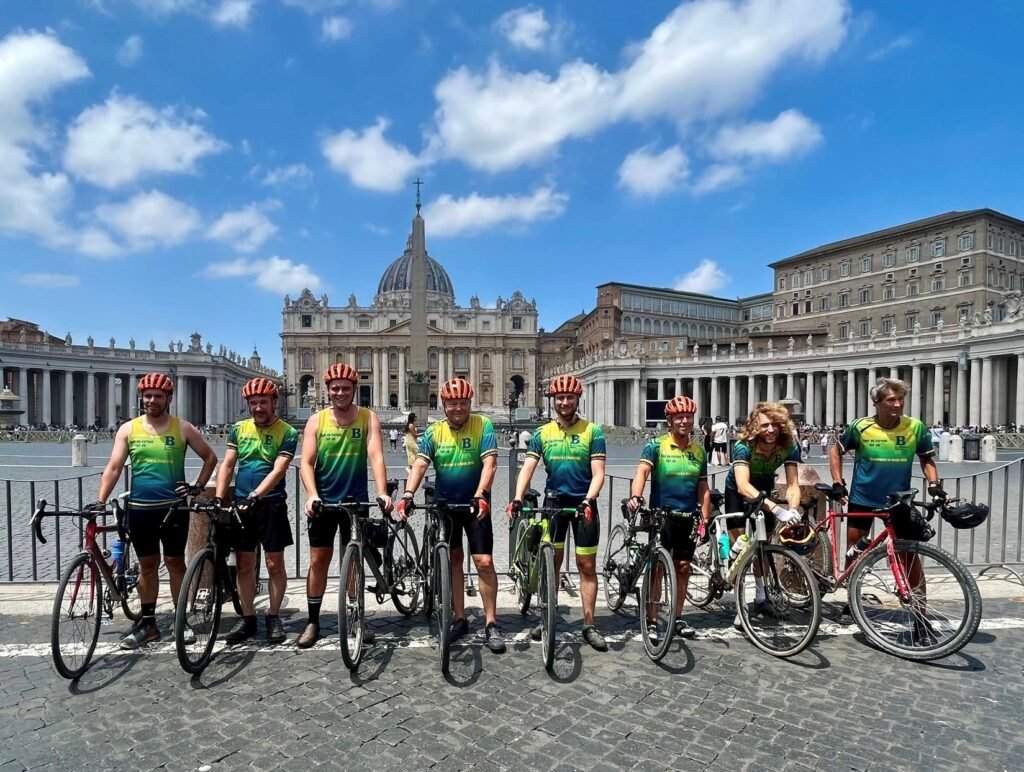
Bike Tour Support Crew Coach Hire
Cycling tours—whether professional races, amateur sportives, corporate challenges, or charity rides—depend not only on the strength of the riders but also on the seamless coordination of the support team. From nutrition to navigation, and from equipment logistics to medical aid, the backbone of any successful cycling tour is a well-organized support crew with reliable transport. Coach hire for cycling tour support crews provides an efficient, customizable, and practical way to transport staff, gear, spare parts, and even tired riders across long and scenic routes. Whether you’re managing a multi-day tour across the Alps, supporting a single-day gran fondo, or escorting a club on a cross-country ride, a dedicated coach offers mobility, coordination, and comfort. This in-depth guide explores the full scope of using coach hire for cycling tour support—covering who uses it, the types of tours supported, essential onboard features, planning logistics, environmental considerations, and more.
Why Coach Hire is Ideal for Cycling Tour Support
Centralized Mobility
Cycling tours often stretch across cities, mountain passes, or rural roads. Cycling Tour Coach with Equipment Traile A support coach:
- Moves personnel and supplies efficiently from point to point
- Offers a mobile base for operations
- Can follow or shadow riders with flexibility in pacing and detours
Transporting Crew, Equipment & Riders
A coach can carry:
- Support crew (mechanics, massage therapists, nutritionists)
- Spare bikes, tools, and parts (with a bike trailer)
- Hydration and food supplies
- Riders in need of rest, injury recovery, or transport to stages
Enhanced Comfort and Safety
Unlike basic vans, modern coaches offer:
- Onboard rest areas for tired staff or riders
- Toilets and refreshment facilities
- Climate control and entertainment during long transfers
Who Hires Coaches for Cycling Tours?
Professional Racing Teams
UCI-level teams or regional cycling clubs use coaches during:
- Stage races like the Tour de France, Giro d’Italia, or Vuelta a España
- Spring classics and one-day elite races
- Training camps and off-season tours
Amateur and Sportive Events
Organizers of mass-participation events—e.g., Etape du Tour, Marmotte Granfondo, or RideLondon—use coaches to:
- Transport staff between checkpoints
- Escort marshals and safety officers
- Carry finish-line infrastructure and first-aid teams
Corporate and Charity Cycling Challenges
Many companies and nonprofits organize long-distance cycling events for fundraising or team-building. They rely on coaches for:
- Staff coordination
- VIP transport
- Mobile briefing centers
- Shuttle service for riders
Touring Clubs & Adventure Cyclists
Recreational groups, senior clubs, or youth cycling programs use coach hire to:
- Move across regions or countries
- Provide rider transport between rides
- Ensure backup support in remote areas
Typical Cycling Tours That Benefit from Coach Hire
Multi-Day Tours
E.g., Paris to Nice, London to Edinburgh, or Munich to Venice
- Coaches follow the route or leapfrog to meeting points
- Offer sleeping space and food storage
- Carry gear and non-cycling participants
Mountain Stage Challenges
E.g., Alps, Pyrenees, Dolomites, Scottish Highlands
- Transport crew and supplies through remote terrain
- Serve as emergency evacuation or bike recovery transport
- Coordinate stages with climbing-specific nutrition and equipment
Cross-Border Cycling Expeditions
E.g., EuroVelo routes, Danube Cycle Path, or Balkan Green Belt
- Coaches facilitate movement between countries
- Handle customs or ferry transport
- Provide multilingual drivers for local communication
Day Events with Complex Logistics
E.g., One-day Gran Fondos, Time Trials, or Criteriums
- Coaches act as base stations for sign-in, meals, and race briefings
- Transport to/from start and finish when in different towns
- Offer fast mobility for media crews and sponsors
Key Features Required in Coach Hire for Cycling Support
External Equipment Storage
- Bike trailers or towable box vans
- External cargo compartments for:
- Toolkits
- Bike stands
- Nutrition supplies
- Spare wheels and tires
Onboard Amenities
- Reclining seats with headrests for tired riders
- Lavatory and washing station
- Kitchenette with refrigeration
- Wi-Fi and device charging stations
- Screens for tactical briefings or GPS route previews
Custom Branding and Utility
- Coach wraps with team or sponsor branding
- Storage for uniforms, kits, and helmets
- Meeting area inside the bus with tables or lounge seating
Supporting Cyclists Along the Route: Operational Considerations
]Shadowing the Peloton
- Some coaches follow riders closely, stopping at aid stations or summits
- Others leap ahead to prepare rest stops and coordinate logistics
- GPS coordination with lead and sweep vehicles is essential
Communication & Navigation
- Coach should be equipped with radio systems for real-time updates
- Coordination with event marshals, race HQ, and route managers is vital
- Maps, QR-coded itineraries, and backup GPS needed
Refueling and Nutrition Support
- Coaches act as mobile kitchens, preparing recovery shakes or meals
- Hydration packs and snacks can be loaded at the start of each stage
- Support staff distribute supplies during rest stops
Emergency Readiness
- Coaches often include:
- First aid kits
- Defibrillators
- Cooling or heating facilities (depending on climate)
- Rider rest area or stretcher-ready seats
Route Planning and Logistics for Cycling Tour Coaches
Mapping Access Points
- Coaches may not be allowed on narrow alpine passes or cobbled historic centers
- Plan drop zones, transfer zones, and rest stops accordingly
- Partner with local municipalities for route permissions
Parking and Support Stations
- Designated parking for coaches at:
- Stage starts and finishes
- Major climbs or descent checkpoints
- Meal zones or overnight accommodations
Accommodation & Transfer Coordination
- Coaches simplify group hotel check-ins
- Allow one driver to handle multiple site transfers
- Provide reliable morning pickup for early-stage departures
Sustainability Considerations
Cycling promotes eco-friendly travel—coach hire should match this ethos.
Low Emission Coaches
- EURO VI engines, hybrid models, or even electric coaches
- Emissions reporting for organizers to measure carbon footprint
Sustainable Tour Planning
- Group transport lowers per-person emissions
- Supports low-impact tourism when paired with eco-accommodation
- Possible carbon offset options through tree planting or clean energy initiatives
Sample Itinerary: 7-Day Alpine Stage Ride with Coach Support
Day 1: Arrival in Geneva
- Coach pickup at airport
- Bike assembly and equipment checks
- Transfer to Annecy (France) – Welcome briefing on the coach
Day 2: Annecy to Albertville
- Coach leapfrogs riders with aid station setup
- Midpoint hydration and rest stop
- Overnight at Albertville hotel
Day 3: Albertville to Col du Galibier
- Coach supports vehicle transfer around restricted high-altitude zone
- Riders meet coach at summit for lunch and medical check
- Descent transport for tired riders
Day 4: Recovery Day in Grenoble
- Coach offers half-day excursion for support team
- Bike maintenance conducted from coach storage area
Day 5: Grenoble to Alpe d’Huez
- Media team uses coach for mobile coverage
- Riders shuttled post-stage to hotel in Bourg-d’Oisans
Day 6: Bourg to Briançon
- Onboard route briefing
- Last leg of ride with split transfer for those doing half-stages
- Coach shuttles finishers to celebration venue
Day 7: Transfer to Geneva
- Coach returns entire group to airport
- Debrief session onboard
Choosing the Right Coach Hire Provider
Experience in Sports Logistics
Select a provider with:
- Cycling or sports event experience
- Familiarity with terrain-based routing
- Coordination with mechanics and first aid professionals
Custom Coach Options
- Storage-equipped vehicles
- Language-specific drivers or guides
- Branding packages for sponsors or team identity
Safety Credentials
- Driver rest compliance
- GPS fleet tracking
- 24/7 customer service for emergencies
Budgeting and Booking Strategy
Cost Factors
- Distance and route complexity
- Size and type of coach
- Number of days and overnight stays
- Trailer or special equipment fees
Booking Timeline
- Book 3–6 months in advance for spring and summer cycling season
- Confirm route viability and permissions with local authorities early
- Include buffer days for contingency plans
Conclusion: Ride Farther with the Right Support Behind You
From the adrenaline of pro tours to the camaraderie of club rides, cycling journeys are as much about the logistics as the legs. Coach hire for cycling tour support crews brings professionalism, efficiency, and flexibility to the road—ensuring that every climb, descent, and detour is backed by a reliable team. As group rides and long-distance adventures continue to grow in popularity, coach transport ensures that everyone—riders, crew, media, and organizers—moves together as one coordinated unit. Whether you’re tackling the Dolomites or coasting through countryside lanes, the journey is only as smooth as the wheels behind the wheels. Would you like this article turned into a downloadable brochure or tailored to a specific cycling destination like the Pyrenees or Dolomites?