

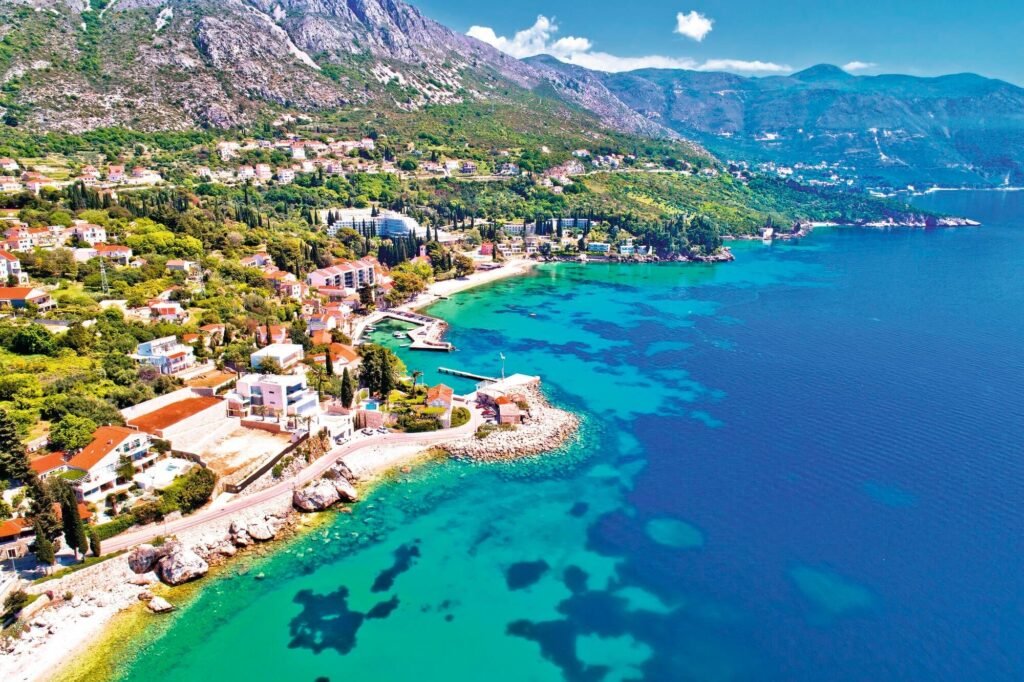
Group Transfer Services Europe Summer
Europe is a global leader in hosting MICE (Meetings, Incentives, Conferences, and Exhibitions) events, thanks to its well-developed infrastructure, diverse cultural landscape, and world-class venues. Cities like Paris, Berlin, Vienna, and Barcelona attract thousands of international delegates each year, offering excellent connectivity, modern convention centers, and a rich mix of history and innovation. With efficient public transport, multilingual services, and high-quality hospitality, Europe provides the ideal setting for successful business gatherings and large-scale exhibitions.
Why Choose Group Transfers?
Group transfers refer to organized transportation for multiple travelers, Best Group Transport Europe Vacation typically 6 or more, from one location to another. These can include:
- Airport pickups and drop-offs
- Hotel-to-attraction transfers
- Intercity or country-to-country movement
Benefits of Group Transfers:
- Cost-Effective: Shared expenses make transport more affordable.
- Convenience: Pre-arranged transfers minimize waiting time.
- Efficiency: Coordinated travel reduces missed connections.
- Safety: Licensed drivers and professional services ensure security.
- Custom Itineraries: Tailored routes and stops suit the group’s interests.
- Popular Transport Options for Group Transfers
- Private Coaches and Minibuses
Private coaches are ideal for groups of 15-60+ people. These vehicles often include amenities like:
- Reclining seats
- Wi-Fi
- Air conditioning
- Onboard restrooms
- Luggage storage
Pros:
- Great for long distances
- Comfortable and spacious
- Direct routes without public transport hassle
Cons:
- Less flexible with last-minute changes
- May require prepayment and deposits
Best Use: Long-distance transfers (e.g., Paris to Amsterdam, Milan to Florence)
- Vans and MPVs (Multi-Purpose Vehicles)
For smaller groups (6-15 people), vans or MPVs are practical and flexible.
Pros:
- Easier to navigate narrow streets
- More affordable than larger buses
- Quicker loading and unloading
Cons:
- Limited space for luggage
- No onboard restrooms
Best Use: Airport transfers, city-to-city trips, day tours
- Trains
Europe’s railway system is one of the best in the world. With services like Eurail, TGV, ICE, and Eurostar, group rail travel is efficient and scenic.
Pros:
- Punctual and high-speed
- Beautiful countryside views
- Eco-friendly
Cons:
- Limited group discounts
- Luggage must be carried independently
- Transfers to/from train stations needed
Best Use: Cross-border trips (e.g., London to Paris, Berlin to Prague)
- Flights
In some cases, especially across longer distances (e.g., Madrid to Athens), flying is necessary.
Pros:
- Fastest option for long distances
- Budget airlines offer low fares if booked early
Cons:
- Airport logistics and check-ins can be time-consuming
- Strict baggage limits
- Environmental impact
Best Use: Inter-country trips over 800 km
- Ferries
Ideal for coastal and island destinations, such as Greece, Croatia, or between Italy and Spain.
Pros:
- Scenic and relaxing
- Can accommodate buses and cars
- Overnight options with cabins
Cons:
- Slower than planes
- Subject to weather delays
Best Use: Island hopping, coastal exploration (e.g., Greece’s Cyclades)
Planning Group Transfers: Step-by-Step
Step 1: Determine Group Size and Needs
Start by confirming:
- Number of travelers
- Ages (children, seniors, adults)
- Special requirements (wheelchairs, dietary needs)
- Luggage volume
Step 2: Choose the Right Transport Mode
Match the group’s preferences with budget, time, and convenience. Use a combination if needed.
Step 3: Book Early
Summer is peak season in Europe. Booking 3-6 months in advance ensures availability and better pricing.
Step 4: Compare Providers
For private transfers, compare quotes from providers such as:
- GetTransfer
- Suntransfers
- Blacklane
- FlixBus charter
- Sixt ride
Check for reviews, safety ratings, and flexibility with cancellations.
Step 5: Finalize Pick-Up and Drop-Off Points
Coordinate centralized locations for easy gathering. Airports and hotels are the most common.
Step 6: Confirm Payment and Documents
Ensure everyone knows the payment structure (per person or per group) and has proper ID and tickets.
Top Destinations for Group Travel in Europe
Cities: Rome, Florence, Venice, Milan
Highlights: Art, food, vineyards, and architecture
Transfer Notes:
- Use high-speed trains for intercity travel
- Private minibuses recommended for countryside tours (e.g., Tuscany)
- France
Cities: Paris, Nice, Lyon, Bordeaux
Highlights: Wine tasting, historical monuments, beaches
Transfer Notes:
- Eurostar for travel from UK
- Coaches work well for wine tours and Riviera excursions
- Spain
Cities: Barcelona, Madrid, Seville, Valencia
Highlights: Flamenco, tapas, beaches
Transfer Notes:
- Budget flights for long distances
- MPVs or minibuses for city-to-beach transfers
- Germany
Cities: Berlin, Munich, Frankfurt, Hamburg
Highlights: Castles, museums, beer culture
Transfer Notes:
- Efficient train network
- Charter coaches for Black Forest or Bavarian Alps
- Croatia & The Balkans
Cities: Dubrovnik, Split, Zagreb, Kotor
Highlights: Stunning coastlines, medieval towns
Transfer Notes:
- Ferries and buses popular
- Private transfers advisable for mountainous regions
- Greece
Cities: Athens, Thessaloniki, Santorini, Crete
Highlights: Islands, ruins, beaches
Transfer Notes:
- Ferries crucial for island travel
- Private vans great for group tours
Group Discounts
Ask for bulk booking or group rates. Many services offer 10–20% discounts for groups of 10+.
- Travel Off-Peak
Avoid traveling on weekends or public holidays when rates are highest.
- Combine Transfers
Instead of separate transfers, combine airport pickup with a scenic tour or dinner stop.
- Use Travel Agencies or Group Planners
Companies like Trafalgar, Contiki (for younger travelers), or G Adventures offer bundled transport.
Essential Tips for a Smooth Transfer Experience
- Name Signs: For airport pickups, ensure the driver displays your group’s name.
- Group Leader: Appoint someone to communicate with drivers and manage time.
- WhatsApp Group: Create a digital group for real-time coordination.
- Rest Stops: For long coach journeys, ensure breaks are scheduled.
- Snacks and Water: Stock up for group comfort.
- Insurance: Always have travel insurance that covers group logistics.
Legal and Safety Considerations
- EU Transport Regulations: Licensed transport providers must follow safety laws.
- Driver Hours: In EU countries, drivers must not exceed legal driving hours.
- Seatbelts: Ensure everyone buckles up—mandatory in most countries.
- Vehicle Licensing: Hire only from certified providers.
Sustainability in Group Transfers
Group travel is more eco-friendly than solo travel, but you can further reduce your footprint by:
- Choosing trains or electric minibuses
- Offsetting carbon emissions
- Encouraging recycling during journeys
- Supporting local transport providers
Recommended Apps and Tools
- Rome2Rio: For exploring transport routes
- Trainline: Train booking across Europe
- Omio: Compare buses, trains, and flights
- Google Maps: Real-time directions and traffic
- TripIt: Organize group itineraries
Conclusion
Organizing group transfers in Europe during summer can be a smooth and enriching experience when planned properly. From choosing the right vehicle and booking on time, to understanding local transport systems and optimizing for comfort and cost, each decision contributes to a successful group journey. Whether it’s sailing through the Aegean, road-tripping across Italy, or catching a train through the Alps, group travel offers a way to make memories together while exploring Europe’s incredible diversity. With the right planning and tools, your summer group holiday can be efficient, affordable, and unforgettable.