
cultural-tourism-coach-hire-balkans
The Balkans—home to a vibrant mixture of Slavic, Ottoman, Mediterranean, and Byzantine influences—offer a one-of-a-kind cultural immersion. While travelers often flock to capital cities, the true charm of this region lies in its hidden ethno villages, rural traditions, and age-old customs. Coach hire for Balkan Heritage and Ethno Village tours presents an ideal way to discover these rustic cultural pockets comfortably, sustainably, and efficiently. From Serbia’s wooden villages and Bosnia’s cobbled Ottoman lanes to Bulgaria’s mountain hamlets and North Macedonia’s folklore-rich countryside, hiring a coach for group travel allows curated experiences without the stress of logistics. Whether for university anthropology departments, cultural delegations, documentary crews, or heritage tourism groups, coach hire services enable seamless access to the lesser-known treasures of Southeastern Europe.
Why Coach Hire Is the Ideal Choice for Balkan Heritage Tours
- Connectivity Across Borders
The Balkan Peninsula comprises numerous countries with diverse languages, currencies, and regulations. Coach hire services streamline cross-border movement cultural-tourism-coach-hire-balkans with multilingual drivers, route permits, and customs paperwork handled behind the scenes.
- Accessibility to Remote Ethno Villages
Many of the authentic ethno villages—such as Drvengrad in Serbia or Gjirokastër’s traditional quarters in Albania—are located off major rail and flight routes. Modern coaches can comfortably navigate mountainous passes and rural roads, making them the most accessible option for these destinations.
- Custom Group Itineraries
From multi-day academic tours to cultural youth exchanges and folklore festivals, coaches can be hired for fully personalized itineraries. Groups can explore open-air museums, meet local artisans, or join village festivals—stopping along scenic countryside routes.
Top Balkan Countries & Heritage Villages to Explore by Coach
- Serbia
Drvengrad (Küstendorf) – The Wooden Village
Built by filmmaker Emir Kusturica for his movie “Life is a Miracle,” Drvengrad is a wooden ethno village blending art, film, and Serbian folklore. A coach route can combine visits to the Šargan Eight Railway and Tara National Park.
Sirogojno Open-Air Museum
This mountain village showcases traditional wooden houses (log dwellings) and hosts workshops on weaving, blacksmithing, and rakija distillation.
- Bosnia & Herzegovina
Počitelj – Ottoman Stone Village
Nestled on the banks of the Neretva River, Počitelj is a medieval village with stone houses, mosques, and fortress ruins. A popular stop for cultural and religious tour groups.
Lukomir – The Highest Village
Set on Bjelašnica Mountain, Lukomir is Bosnia’s most isolated village, where ancient Dinaric traditions still survive. Coaches equipped for mountain drives make it possible for groups to visit without strenuous hikes.
- Montenegro
Njeguši Village – Cradle of Montenegrin Culture
A highland village famous for smoked ham (Njeguški pršut) and cheese, it lies along the scenic route from Kotor to Lovćen. Coaches allow a safe and breathtaking drive through hairpin turns.
Plav & Gusinje Region
With a mix of Albanian and Montenegrin traditions, this borderland region is a living example of ethno-cultural harmony. Perfect for anthropology groups and cross-border heritage studies.
- North Macedonia
Vevčani
Known for its carnival and water springs, Vevčani boasts stone houses, local legends, and scenic views. A convenient day trip from Ohrid or Struga via coach.
Galičnik
This mountain village hosts the famous Galičnik Wedding Festival—ideal for coach-borne cultural groups interested in dance, music, and ethnic costume traditions.
- Albania
Gjirokastër – The Stone City
A UNESCO World Heritage Site, Gjirokastër is rich in Ottoman architecture, stone-roofed houses, and fortress ruins. Group coaches can navigate the region with expert drivers familiar with narrow routes.
Berat – City of a Thousand Windows
Another UNESCO gem, Berat offers guided tours through its castle, museums, and Byzantine churches—easily included in a multi-day coach itinerary.
- Bulgaria
Koprivshtitsa
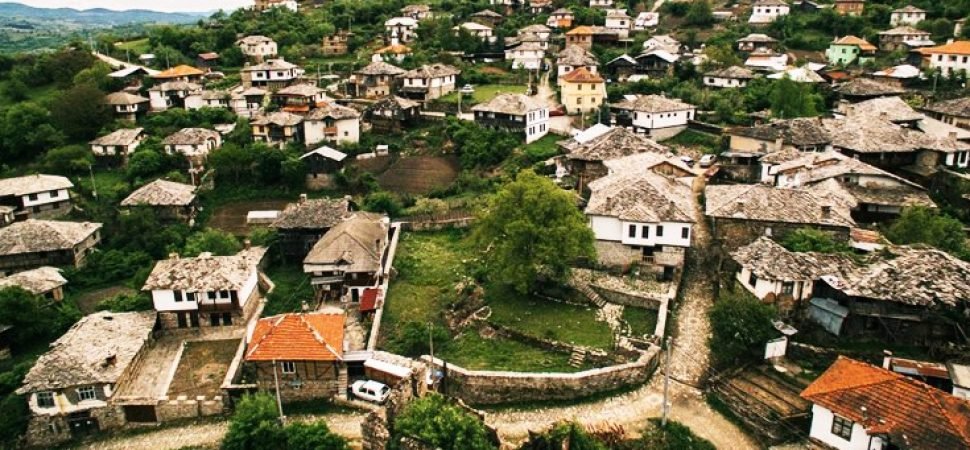
Nestled in the Sredna Gora mountains, this town is known for its 19th-century revivalist architecture, patriotic history, and vibrant folk festivals.
Etar Architectural-Ethnographic Complex
An open-air museum village near Gabrovo showcasing Bulgarian crafts, workshops, and traditional engineering powered by watermills.
- Croatia & Slovenia (Extended Balkan Circuits)
While often seen as Western Balkans or Central Europe, including parts of Slovenia (e.g., Velika Planina) and inland Croatia (e.g., Kumrovec, the birthplace of Tito) enriches the Balkan heritage circuit.
Logistical Considerations: What Coach Hire Includes
- Vehicle Options
- Minicoaches (16–30 seats): Ideal for small university groups or heritage tourism teams.
- Mid-size coaches (31–45 seats): Popular for folklore ensembles and educational excursions.
- Full-size coaches (46–60+ seats): Best for festival delegations and cross-border expeditions.
- Onboard Features
- Reclining seats, AC, onboard toilets (for long rural routes)
- PA systems for guided commentary
- Luggage compartments for instruments, field gear, or cultural displays
- Multilingual Drivers & Local Guides
Drivers familiar with rural Balkan terrain and cross-border protocols ensure safety and efficiency. Optional tour managers and interpreters bring depth to cultural narratives.
- Permits & Regional Access
Coaches are organized with necessary access permissions for mountainous and remote areas, often restricted for non-local vehicles. They also manage environmental zone permits.
Types of Groups That Benefit from These Coach Tours
- Cultural Study Tours
Anthropology and ethnography departments exploring Balkan tribal traditions and socio-cultural systems.
- Heritage Tourism Operators
Private or public tourism initiatives seeking immersive experiences in traditional Balkan life.
- Documentary & Photography Crews
Scenic access to visually rich locations with enough equipment storage and power options.
- Folklore Ensembles & Choirs
Groups performing at Balkan village festivals or attending cultural exchange programs.
- Diaspora Reconnection Tours
Tailored visits for diaspora individuals or families tracing heritage, with stops at ancestral villages.
Sample 7-Day Coach Itinerary: Balkan Heritage Highlights
Day 1: Arrival in Belgrade – Coach pickup – Transfer to Drvengrad via Tara National Park
Day 2: Sirogojno – Zlatibor region – Cultural lunch – Evening folklore show
Day 3: Cross into Bosnia – Lukomir visit – Overnight in Sarajevo
Day 4: Počitelj – Mostar Bridge – Craft market shopping
Day 5: Cross into Montenegro – Njeguši – Kotor old town
Day 6: Cross into Albania – Gjirokastër – Visit fortress and Ottoman museum homes
Day 7: Berat – Winery stop – Return via Tirana or transfer to Ohrid for extended route
Sustainable and Ethical Considerations
Hiring a coach over individual cars reduces carbon emissions significantly, particularly for remote village tours. Many coach companies align with sustainable tourism principles—such as supporting local economies through village stays and sourcing local food providers. Additionally, trained drivers adhere to respectful practices when entering traditional or sacred spaces. Guides are often hired locally to ensure cultural narratives are told authentically.
Conclusion: Where the Past Lives On, The Coach Leads the Way
Exploring the heart of Balkan heritage requires not just enthusiasm, but a practical and thoughtful travel method. Coach hire offers a bridge between past and present—connecting groups with the lived history of the region in comfort, safety, and cultural sensitivity. Whether you’re charting medieval Ottoman alleys, dining in rustic mountain homes, or dancing to Balkan brass beneath a starlit sky—your journey begins when the coach door opens.