
European Coach Tours for Cultural Groups
Cultural associations play a vital role in preserving traditions, promoting language, fostering identity, and sharing artistic expression across borders. Whether organizing a choral tour, heritage society exchange, art collective journey, or international folklore event, efficient group travel is essential. That’s where coach hire for cultural associations visiting Europe becomes indispensable. Private coach travel offers the comfort, flexibility, and logistical precision needed for associations to explore museums, attend festivals, connect with sister organizations, and experience Europe’s rich cultural diversity—all while keeping the group united, safe, and inspired.
Why Coach Hire is Ideal for Cultural Group Travel
1. Group Unity and Shared Experience
Cultural travel is about collective memory and shared stories. European Coach Tours for Cultural Groups Traveling together by coach allows for communal bonding, pre-visit briefings, and collective immersion.
️ 2. Safety and Supervision
Especially with multi-age groups or elderly members, coach travel offers a safe and supervised environment from start to finish.
3. Custom Routes for Complex Itineraries
Many cultural programs involve visiting multiple towns, historic sites, or partner institutions. A private coach ensures door-to-door transport without the stress of coordinating public transport.
4. Storage for Instruments, Costumes, and Gear
For associations carrying musical instruments, traditional costumes, banners, or books, modern coaches provide dedicated luggage compartments to transport items securely.
5. Cost-Effective for Associations
Group travel by coach typically offers better value than trains or flights—particularly for mid-size groups (20–60 people) with multiple stops and events.
Types of Cultural Associations That Benefit from Coach Hire
Music and Choral Societies
- Touring choirs, brass bands, orchestras
- Attending or performing in festivals, competitions, or liturgical events
- Require space for instruments, stands, and attire
Ethnic and Heritage Organizations
- Diaspora groups visiting ancestral regions or attending cultural exchange events
- Multiday trips visiting landmarks, archives, and community centers
️ Art & History Societies
- Museum and gallery tours, historical reenactments, and restoration programs
- Often includes urban visits, walking tours, and lectures
Dance and Folklore Groups
- Folk troupes attending festivals or cultural expos
- Involves costumes, music devices, choreography rehearsals en route
Literary and Linguistic Circles
- Language institutes or author societies visiting book fairs, historic libraries, or literary homes (e.g., Goethe, Tolstoy, Cervantes)
Top European Destinations for Cultural Associations
France
- Paris for art museums, Loire Valley for chateaux, Provence for festivals
- Coach routes to Avignon Theatre Festival, Normandy D-Day memorials
Italy
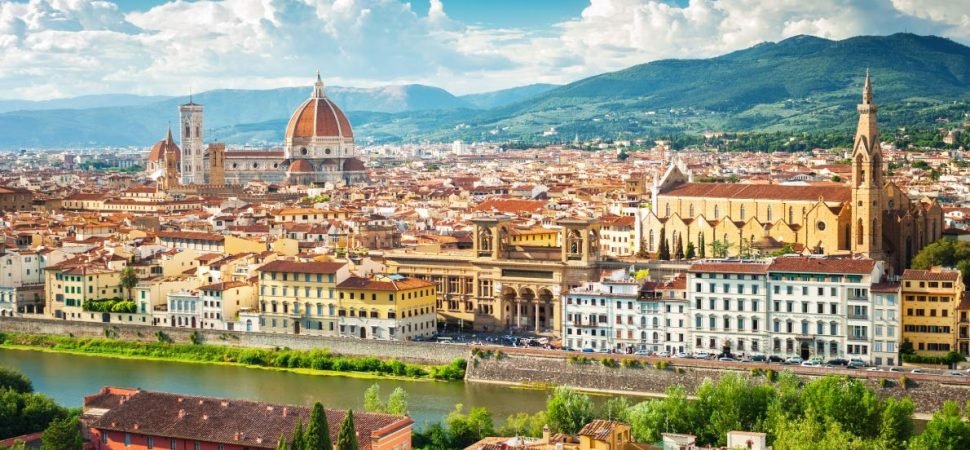
- Rome, Florence, and Venice for Renaissance art, architecture, and opera
- Ideal for choir tours or heritage walks through medieval towns
Germany
- Berlin for modern culture and history, Bavaria for folk music and castles
- Popular for cultural exchanges and partner city programs
Spain
- Seville, Granada, and Barcelona for flamenco, architecture, and Moorish heritage
- Easy access to traditional dance and music events
Poland
- Kraków and Warsaw for Jewish heritage, classical music, and historical societies
- Routes include Auschwitz memorial tours, folk dance groups
Switzerland & Austria
- Cultural festivals, opera houses, and mountain retreats for artist collectives
Greece
- Athens, Delphi, and Thessaloniki for classical heritage and cultural foundations
- Ideal for academic or Hellenic cultural tours
️ Sample 7-Day Itinerary for a Cultural Association Visiting Central Europe
Day 1: Arrival in Prague, Czech Republic
- Coach transfer from airport
- Guided evening walk and welcome dinner
Day 2: Prague Cultural Tour
- Visit National Theatre, Kafka Museum
- Optional performance at local venue or university
Day 3: Transfer to Vienna, Austria
- Stop in Český Krumlov for a heritage tour
- Evening arrival in Vienna and group dinner
Day 4: Vienna Highlights
- Belvedere Palace, Museum Quarter, State Opera House
- Optional group performance or meeting with local association
Day 5: Salzburg Excursion
- Coach day trip to Salzburg (Mozart’s birthplace)
- Sound of Music walking tour or church concert
Day 6: Transfer to Munich, Germany
- Visit to Dachau Memorial Site
- Explore old town, dinner in Bavarian beer hall
Day 7: Departure
- Coach transfer to Munich airport
Coach Options for Cultural Groups
| Coach Type | Seats | Best For |
| Mini Coach | 16–24 | Small cultural committees or choirs |
| Standard Coach | 30–55 | Typical music, art, or heritage associations |
| Double-Decker | 60–80 | Combined groups or festival delegations |
| Luxury Coach | 30–45 | VIP delegations, professional artists, patrons |
Common Features:
- Reclining seats with seatbelts
- A/C and heating systems
- PA system for announcements or singing
- Underfloor luggage compartments
- Onboard restroom (on larger coaches)
- Wi-Fi and power sockets (on request)
Safety and Legal Compliance
- Fully licensed drivers and insured coach companies
- EU-mandated rest times, safety checks, and COVID protocols
- Cultural groups should carry ID lists, insurance, and health forms
Organizational Tips for Cultural Association Leaders
- Plan 4–6 months ahead for international travel
- Create a shared itinerary with rest stops, cultural context, and speaker notes
- Assign group roles: logistics, media, welfare, finances
- Consider interpreters or bilingual guides
- Bring printed programs, brochures, or cultural documentation
Enhancing the Experience En Route
Onboard Enrichment:
- Pre-visit briefings with historical background
- Cultural quizzes or song rehearsals
- Guest speakers or association members sharing stories
- Slide shows or videos related to the destinations
Sustainability and Cultural Responsibility
Coach travel is one of the most eco-friendly modes of group transport. Associations often emphasize cultural preservation and should equally value environmental consciousness:
- Use modern low-emission coaches
- Avoid single-use plastics onboard
- Support local artisans and community-based guides
- Promote respectful tourism and dress codes at heritage sites
When to Book & Seasonal Considerations
- Best Months for Travel: April–June, September–November
- Avoid peak summer when accommodation and event spaces are booked
- Many cultural festivals occur in spring and fall—plan accordingly
Partnerships and Cultural Exchange
Coach travel allows cultural associations to foster connections with:
- Sister cities
- Ethnic diaspora communities
- Local arts councils
- UNESCO and cultural NGO networks
- European cultural grant programs (e.g., Creative Europe)
Documentation and Promotion
Encourage members to document their journey for:
- Cultural reports or newsletters
- Social media posts and reels
- Local press or community presentations
- Future fundraising or grant proposals
Tip: Some coach companies provide branded wraps with association logos or tour slogans for visibility during festivals and parades.
Final Thoughts: Where Culture and Travel Meet
Culture thrives when it travels. Whether it’s an accordion tune echoing through a medieval alley or a traditional dance group preparing backstage, coach hire for cultural associations visiting Europe ensures that every member of your group arrives inspired, prepared, and together. By removing logistical barriers and adding comfort, cohesion, and customization, coach travel becomes more than a vehicle—it becomes the vessel through which cultural heritage journeys across borders and generations.