
Medieval Reenactment Transport Solutions
Historical reenactment is more than a hobby—it’s a passion that brings history vividly to life through performance, costume, and immersive storytelling. From grand Napoleonic battlefield re-creations and Roman legion marches to medieval fairs, Renaissance festivals, Viking encampments, and WWII commemorations, these events unite people in their shared love of the past. But behind the spectacle lies significant planning—particularly when it comes to transportation. Coach hire for historical reenactment group transport provides a reliable, comfortable, and efficient solution for moving people and period equipment to and from events. Whether you’re heading to a castle siege reenactment in France, a Viking rally in Scandinavia, or a WWII commemoration in Belgium, dedicated group coach transport offers logistical simplicity, ample storage, and flexibility tailored to the unique needs of reenactors.
Why Coach Hire is Ideal for Historical Reenactment Groups
a) Group Coordination & Timing
Reenactment events demand precision and cohesion. Coach hire keeps the group together, ensuring everyone arrives on time for scheduled rehearsals, parades, Medieval Reenactment Transport Solutions or battlefield demonstrations. Unlike individual car travel, coaches reduce the risk of delays, parking issues, or lost participants—especially critical for large festivals or multi-day events.
b) Transporting Costumes, Props, and Weapons
Reenactors carry a wide range of equipment: swords, shields, muskets, pikes, tents, flags, armor, instruments, and historically accurate costumes. Modern coaches with spacious luggage holds, roof boxes, or additional trailers allow secure and organized transport of these materials.
c) Comfort for Long-Distance Travel
Many events are located in rural or historic settings, often hours from major cities. Coach travel provides climate-controlled interiors, reclining seats, Wi-Fi, onboard restrooms, and entertainment systems—ideal for overnight or extended trips.
d) Event Flexibility
Coach hire offers customized schedules with pick-up and drop-off at accommodations, event grounds, or campsites. Many operators accommodate early arrivals or late departures to align with event programs, set-up times, and closing ceremonies.
e) Cost-Effective for Groups
Hiring a coach for 20–50+ people is significantly more economical than coordinating multiple private vehicles, especially when considering fuel, tolls, parking, and logistical headaches.
Types of Reenactment Events Requiring Coach Transport
a) Medieval & Renaissance Fairs
- Events like the Kaltenberg Knights Tournament in Germany or the Festival Médiéval de Sedan in France attract thousands of performers and visitors. Reenactors transport full armor sets, period musical instruments, and pavilions.
- Coaches can travel directly to the event grounds or nearby accommodations, even in rural castle villages or forest encampments.
b) Napoleonic & Early Modern Battles
- Key reenactments include the Battle of Waterloo (Belgium) or Battle of Austerlitz (Czech Republic). Participants in regimental groups often travel with flags, canons, muskets (deactivated), and tents.
- Specialized coach services can arrange customs clearance or documentation for replica weapons.
c) Roman Legion & Ancient History Reenactments
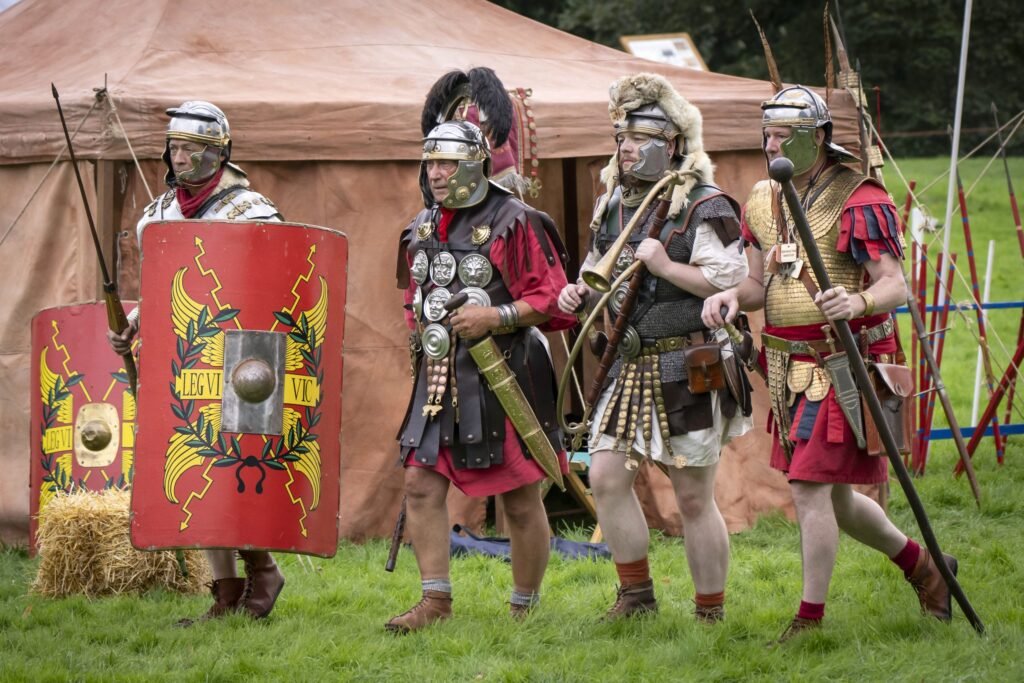
- Events like the Festival of Roman Days in Carnuntum (Austria) or Hadrian’s Wall Live (UK) involve traveling with chainmail, scutum shields, lorica segmentata, and reconstructed Roman tents.
- These often require robust loading solutions, with some groups using flatbeds or trailers in conjunction with passenger coaches.
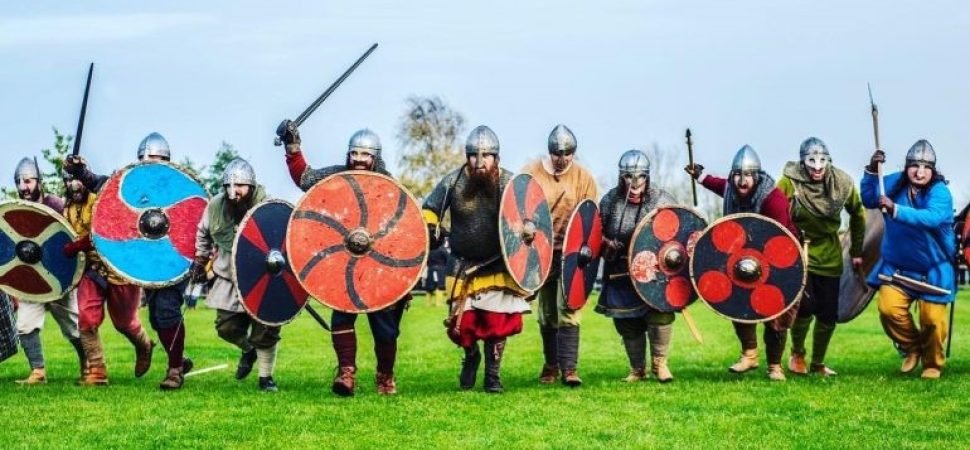
d) Viking & Norse Festivals
- Reenactors attending Gudvangen Viking Market (Norway) or Foteviken Viking Festival (Sweden) require coach travel that can handle rugged terrain and camping gear.
- Coaches provide access to remote sites not serviced by rail or flights.
e) World War I & II Reenactments
- Popular sites include Normandy (France), Bastogne (Belgium), Arnhem (Netherlands), and Eastern Front reenactments in Poland and Czechia.
- These trips may require transport for vintage military gear, uniforms, tents, radio equipment, and field kitchens—all of which can be accommodated through coach hire with supplemental cargo trailers.
Coach Types & Features for Reenactment Groups
a) Standard Touring Coach (49–55 seats)
- Suitable for large reenactment troupes.
- Equipped with ample underfloor luggage storage.
- Options for on-board restrooms, USB charging, and audio-visual systems for briefings.
b) Midi Coach (25–35 seats)
- Ideal for smaller historical societies or guilds.
- Easier access to rural or narrow roads near castles or campsites.
c) Luxury Coach (High-End Experience)
- For VIP reenactors, documentary crews, or international groups.
- Leather seating, air-conditioning, Wi-Fi, refrigerators, and optional translator/tour guide.
d) Coach + Trailer Combo
- Essential when transporting bulky items like tents, weapons, and armor.
- Trailers come in various sizes and can be secured and supervised throughout the trip.
Logistics: What to Consider Before Booking
a) Size & Weight of Equipment
When booking, inform the coach operator about the dimensions and weight of items being carried (e.g., pikes, helmets, shield walls). This ensures they assign an appropriately sized vehicle or add-on trailer.
b) Travel Documentation for Replica Weapons
Some countries may require import/export declarations, especially for firearms (even deactivated) or pyrotechnics used in live-action battle displays. A good coach provider can guide you through these legalities or connect you with customs brokers.
c) Accommodation Access
Many reenactors camp near the event venue. Coaches need access to nearby parking or drop-off zones even if staying on fields or private land. Smaller midi-coaches may be better for tight rural areas.
d) Event Scheduling
Coach companies should be given access to the reenactment event’s full schedule. Early morning arrivals, midnight departures after bonfires, or return transfers post-battle are common.
Popular Reenactment Destinations in Europe (With Coach Access)
France
- Normandy (D-Day Landings): WWII commemorations and airborne reenactments.
- Puy du Fou (Vendée): Epic historical shows and costumed performance grounds.
- Sedan & Provins: Medieval siege reenactments.
UK
- Battle of Hastings (East Sussex): Norman vs Saxon reenactments.
- Tewkesbury Medieval Festival (Gloucestershire): One of Europe’s largest medieval battles.
- Blenheim Palace & English Heritage sites: Napoleonic and Civil War displays.
Germany
- Kaltenberg Knights Festival (Bavaria): Jousting tournaments and knightly duels.
- Roman reenactments in Xanten: Large archaeological park with reconstructed forts.
Belgium
- Battle of Waterloo Reenactment (Waterloo): Thousands of Napoleonic reenactors gather annually.
- Bastogne WWII Battle of the Bulge: With vintage vehicles and full regiments.
Italy
- Palio di Siena (Tuscany): Medieval civic parades and pageantry.
- Legio Romana reenactments (Rome, Pompeii): Full imperial soldier battalions.
Czech Republic & Poland
- Battle of Austerlitz (Slavkov u Brna): Annual Napoleonic weekend.
- WWII Eastern Front Reenactments: Frequently hosted in Silesia or Krakow.
Itinerary Example: 5-Day Coach Tour for a WWII Reenactment Group – Normandy
Day 1: Departure & Arrival
- Coach pickup in London or Brussels.
- Eurotunnel/ferry crossing.
- Arrive in Normandy, France. Set up camp/accommodation.
Day 2: Equipment Setup & Briefing
- Coach transport to event grounds.
- Drop-off of props, uniforms, and signage.
- Onboard team briefing using coach AV equipment.
Day 3: Parade & Battle Reenactment
- Coordinated group movement to D-Day beach or town center.
- Secure coach parking near event.
- Evening transport back to accommodation or camp.
Day 4: Museum Visits & Memorial Services
- Coach transport to Pegasus Bridge, Arromanches, or Mémorial de Caen.
- Optional battlefield guide included.
- Dinner in Caen or Bayeux town square.
Day 5: Return
- Morning departure.
- Customs check for replica weapons.
- Arrival in home city by evening.
Added Services for Reenactment Groups
a) Experienced Drivers
Drivers familiar with historical festivals, countryside access roads, and international logistics.
b) Tour Manager or Guide
Especially useful for educational reenactment trips—can offer historical context en route.
c) Multilingual Support
Helpful for events in Italy, Poland, or Germany where documents, customs checks, or directions may require translation.
d) Onboard Presentation Tools
AV systems for battlefield briefings, reenactment scripts, or safety training.
e) Photography & Media Teams
Professional filming crews for documentation—can travel alongside the group in a support coach.
Sustainability & Environmental Considerations
Many historical groups value authenticity and stewardship of the past—including environmental responsibility.
- Coach hire is more eco-friendly than multiple cars or air travel.
- Choose low-emission or hybrid fleets where available.
- Opt for consolidated transport with shared groups from nearby cities or associations.
Booking Tips & Best Practices
- Book 6–12 months in advance for major events (Waterloo, Hastings, Bastogne).
- Share full inventory lists with the operator for accurate capacity planning.
- Confirm pick-up/drop-off access points near rural encampments or castles.
- Ask about cargo insurance for valuable costume or prop items.
- Consider catering options or comfort packs for long-haul journeys.
Conclusion: Bringing History to Life, Mile by Mile
Historical reenactments celebrate identity, heritage, and storytelling. Whether your group is recreating a Roman legion march, medieval joust, or WWII campaign, traveling together ensures unity, logistical precision, and shared experience. Coach hire for historical reenactment group transport makes the journey as memorable as the event itself—offering comfort, safety, and tailored support for those dedicated to honoring the past. When your group travels with the right infrastructure, you’re free to focus on what matters: immersive, educational, and unforgettable living history.