

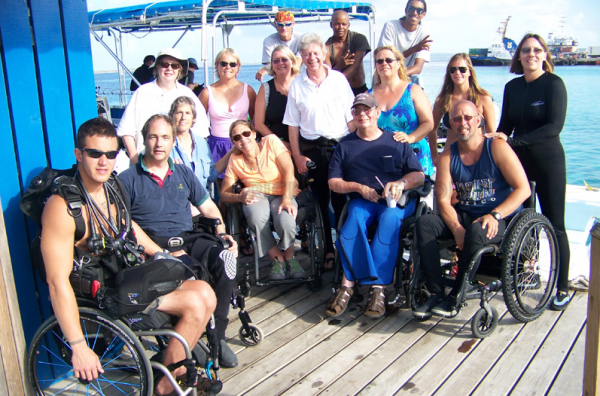
Accessible Transport for Inclusion Training Tours
critical learning experiences for professionals, advocates, and public-sector staff working to improve access for persons with disabilities (PWDs), the elderly, neurodivergent individuals, and other marginalized groups. These tours often involve hands-on exposure to physical environments, infrastructure, and public services—necessitating dependable and accessible transportation.
This is where coach hire for accessibility training tours becomes essential. These specialized transportation solutions provide safe, dignified, and comfortable travel tailored to the needs of inclusive training groups. Whether conducted by NGOs, universities, municipal authorities, or accessibility consultants, the right coach services are key to the success of these mobile workshops.
What Are Accessibility Training Tours?
Accessibility training tours are on-the-ground learning experiences aimed at helping participants understand the real-world challenges faced by people with disabilities. These tours may include:
- Visiting accessible vs non-accessible buildings and public transport systems
- Testing ramps, lifts, tactile guides, signage, Accessible Transport for Inclusion Training Tours and accessible toilets
- Observing best practices in urban planning or inclusive tourism
- Conducting real-time feedback with persons with disabilities
- Facilitating wheelchair, cane, or blindfold simulations for empathy-building
Often interdisciplinary, these tours may involve architects, policy-makers, engineers, social workers, tourism professionals, and students.
Why Coach Hire Is Essential for Accessibility Tours
A significant portion of these tours is spent in transit between training locations, which may include city halls, airports, schools, heritage sites, stadiums, hospitals, and transport hubs. Hiring a specially equipped coach enables:
- Consistent mobility for mixed-ability groups
- Onboard briefings, debriefs, and training modules while traveling
- Secure wheelchair storage and lift systems
- Door-to-door transfers including rural or hard-to-reach test sites
- Supervised and guided logistics, especially for neurodiverse or elderly participants
The right vehicle setup ensures every participant can fully engage, irrespective of physical or cognitive needs.
Key Features of Accessible Coaches
To support accessibility training tours, coach providers must go beyond standard specifications. Essential features include:
Wheelchair Accessibility
- Low-floor entry or hydraulic lifts
- Secure wheelchair anchoring points
- Extra-wide doors and corridors
Sensory Support
- Visual and auditory announcements
- Color-contrasted railings and steps
- Calm interior lighting for sensory sensitivity
Ergonomic Comfort
- Priority seating with extra legroom
- Safety belts and adjustable seats
- Air conditioning and ergonomic back support
Inclusive Infrastructure
- Ramp access for walkers or crutches
- Hearing loop systems
- Staff trained in disability awareness and first aid
Some advanced coaches even offer USB chargers for assistive devices, non-slip flooring, or accessible restrooms.
Who Uses Coach Hire for Accessibility Tours?
This form of transport supports a wide spectrum of inclusive training groups, including:
NGOs & Advocacy Networks
Organizing awareness-raising or rights-based accessibility workshops.
️ Government Agencies & Urban Planners
Evaluating public spaces or developing inclusive infrastructure.
Educational Institutions
Running field trips for architecture, urban design, or social work students.
Hospitals & Rehabilitation Centers
Training staff to better accommodate PWDs in outpatient and emergency settings.
Tourism Boards & Travel Providers
Understanding accessible travel from the user’s perspective to develop inclusive tourism.
Sample Itinerary: Accessibility Training Tour (5 Days)
Here’s an example of how coach hire supports a multi-day mobility and inclusion workshop.
| Day | Activities | Coach Role |
| Day 1 | Airport pickup, city orientation | Accessible airport-to-hotel transfers |
| Day 2 | Visits to schools, museums, public buildings | Door-to-door shuttle with lift |
| Day 3 | Simulation activities in transport hubs | Onboard briefing and live discussion |
| Day 4 | Rural healthcare centre, eco park visit | Reliable transport in off-grid areas |
| Day 5 | Group reflection and certification ceremony | Drop-off and secure luggage handling |
Coach Hire Planning: What NGOs & Institutions Should Ask
Before booking a coach for an accessibility tour, organizers must ensure:
- Is the fleet fully DDA/ADA compliant?
- Can they provide proof of previous inclusive tour experience?
- Are drivers and staff trained in disability etiquette?
- Are service animals allowed onboard?
- Is there space for assistive equipment (walkers, breathing devices, etc.)?
- Is insurance inclusive of disability-specific liabilities?
Benefits of Inclusive Coach Hire for Training Programs
Enhanced Learning
Travel becomes part of the training, offering mobile debriefs and real-time observations.
Increased Engagement
Every participant feels seen and accommodated, regardless of ability.
Safer Logistics
Professionally handled boarding, exit assistance, and accessible emergencies.
Greater Impact
When your mode of transport reflects your mission, your credibility and visibility soar.
Cross-Training Opportunity
Coach staff can join sessions to learn about accessibility from the field.
Challenges & Solutions in Inclusive Coach Logistics
| Challenge | Solution |
| Limited number of fully accessible coaches in rural regions | Partner with local disability NGOs to co-source vehicles |
| Time delays in boarding/offboarding | Include buffer time in itinerary; train staff on efficient loading |
| Communication barriers with neurodiverse or Deaf passengers | Provide visual aids, interpreters, and written schedules |
| High vehicle rental costs for NGOs | Seek subsidy from government DEI funds or CSR sponsors |
Global Examples of Accessibility Tours Using Coach Hire
Sweden: Uppsala University
Students in disability policy tour Stockholm’s metro, museums, and urban parks with accessible coach support.
Germany: Berlin Inclusive Design Tour
Architects and municipal staff explore universal design examples with help from a wheelchair-lift-equipped coach fleet.
India: Inclusive India Mobility Mission
Coaches transport mixed-ability groups across Delhi and Jaipur to evaluate accessible infrastructure under the RPWD Act.
UK: National Autism Inclusion Tour
Neurodiversity awareness tours with sensory-adapted minibuses run across London and Manchester.
Coach Hire Companies Offering Accessibility Solutions
Look for firms that specialize in inclusive group transport, such as:
- Europe Bus Charter – Offers inclusive coach hire with trained staff and multi-country licenses
- AccessAble Travel Coaches UK – Focused on neurodiverse and wheelchair travel
- MobilityBus DE – German firm offering hospital and training tour packages
- Inclusive Voyages NL – Netherlands-based company working with NGOs on social inclusion tours
Eco-Conscious & Accessible? Yes, You Can
Many accessibility tours are also seeking eco-responsible transportation. Look for:
- Low-emission or hybrid coaches
- Waste-free onboard services
- Solar-powered accessibility features
- Locally owned and socially responsible fleet partners
Your accessible tour can align with SDGs, such as Goal 10 (Reduced Inequality) and Goal 11 (Sustainable Cities and Communities).
Conclusion
Coach Hire for Accessibility Training Tours is not just about moving people from A to B. It is about moving mindsets—creating mobile spaces for awareness, change, and empowerment. Whether it’s navigating cobblestones in Florence or simulating wheelchair use on Paris metro lines, the right coach ensures that no participant is left behind. For NGOs, academic institutions, and DEI-driven businesses, investing in inclusive transport logistics is a direct extension of your social mission. From curb to seat, from parking lot to policy, the vehicle becomes a vital classroom for inclusive progress.