
Research trip coach hire for medical schools
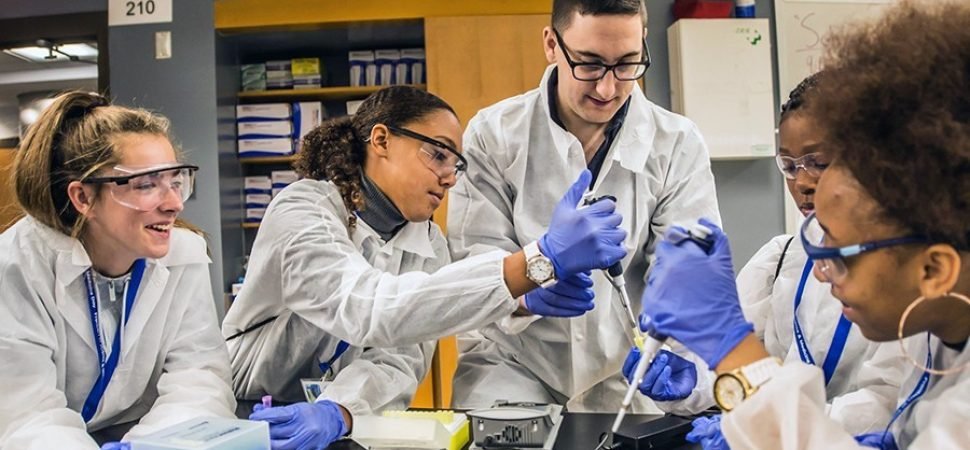
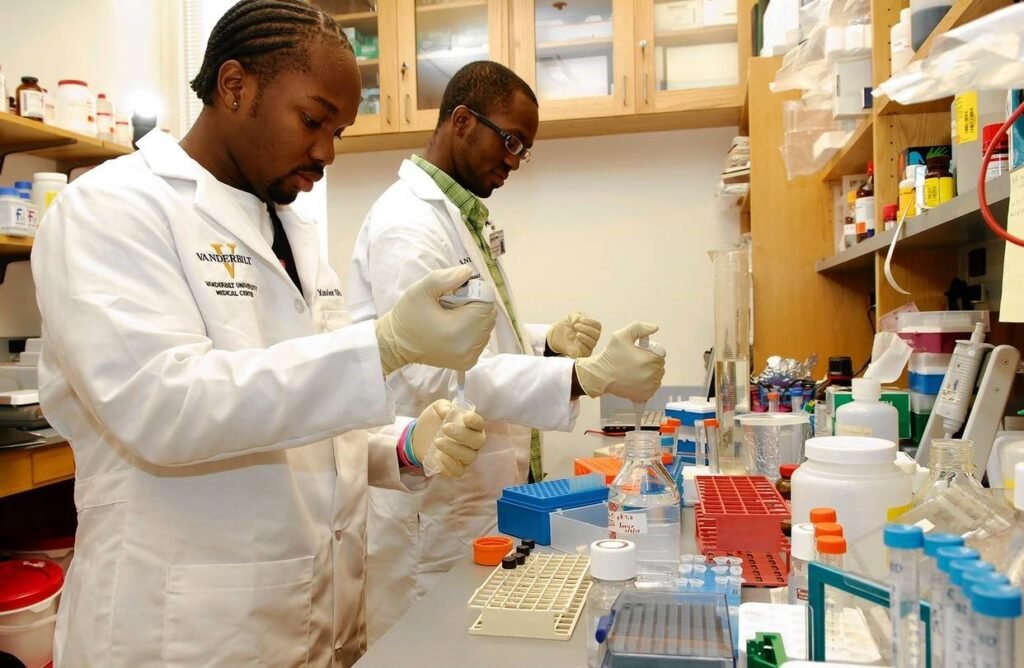
In an era where practical exposure, inter-institutional collaboration, and hands-on learning are pivotal, medical student research field tours have emerged as essential components of the modern medical curriculum. These field trips not only allow future healthcare professionals to observe cutting-edge research and clinical practices but also help foster academic curiosity and global exposure. A seamless travel experience is key to the success of such tours. That’s where coach hire for medical student research field tours comes into play—providing a reliable, efficient, and comfortable means of transporting students, professors, and guest speakers across cities, campuses, hospitals, and laboratories. In this in-depth guide, we explore how universities and organizers can leverage coach hire to facilitate these research-focused educational journeys.
Why Coach Hire is Ideal for Medical Research Field Tours
Group Cohesion and Educational Continuity
Coach hire offers unmatched benefits for keeping a cohort of medical students together throughout the trip. Unlike flights or trains, where groups may be split, a dedicated coach ensuresResearch trip coach hire for medical schools continuity—perfect for delivering pre-arrival briefings, Q&A sessions, or faculty-led tutorials en route.
Direct Access to Research Facilities
Many advanced research institutions or rural medical outreach programs are not easily accessible via public transportation. Coach hire allows door-to-door service, helping groups reach teaching hospitals, biomedical labs, or community health centers without logistical hiccups.
Safety and Compliance
With strict adherence to safety protocols, licensed and insured coach operators provide a secure environment, particularly important when transporting young adults under institutional care. Modern coaches come equipped with GPS tracking, speed limiters, and even CCTV systems.
Destinations Popular for Medical Field Tours
Europe’s Top Research Hubs
- Heidelberg, Germany – Home to Europe’s oldest university hospital and the German Cancer Research Center.
- Leuven, Belgium – Offers visits to KU Leuven and biotech clusters like the VIB Bio-Incubator.
- Oxford & Cambridge, UK – Known for their medical schools and collaborations with global pharmaceutical companies.
- Basel, Switzerland – The headquarters of Novartis and Roche, plus the University of Basel Medical Research.
Emerging Research Destinations
- Gdansk, Poland – Features affordable and technologically advanced simulation centers.
- Cluj-Napoca, Romania – Known for its medical university and rural health research.
- Lisbon, Portugal – Combines strong public health institutions with coastal leisure appeal.
Types of Medical Field Tours That Require Coach Hire
Hospital Rotations & Shadowing
Transporting students between multiple clinical sites in a region (urban or rural) is best done via private coach. Especially useful for rural healthcare rotation programs.
Visits to Pharmaceutical R&D Centers
Big Pharma companies often open their doors to student groups. These facilities are typically located in industrial parks or outskirts, needing specialized transport.
Public Health Outreach in Rural Areas
Some universities run global health field modules where students assess community health initiatives. Coach hire allows for flexibility and access to underserved regions.
Anatomy and Pathology Museum Tours
Educational travel to places like the Musée Fragonard (France) or the Museum Vrolik (Netherlands) requires scheduled group visits—private coaches ensure punctuality.
Coach Features That Suit Medical Research Tours
Onboard Wi-Fi & Power Outlets
Medical students often use travel time for presentations, journal reading, or group discussions. Wi-Fi and USB ports transform the coach into a mobile classroom.
Extra Storage
Coaches with luggage trailers or large undercarriage space accommodate lab coats, books, anatomy models, first aid kits, and even mobile diagnostic gear.
Accessibility
Medical faculty and students may include individuals with physical disabilities. Modern coaches offer wheelchair lifts, wide aisles, and accessible restrooms.
Microphones & PA Systems
For on-the-go briefings by faculty or industry professionals, an internal PA system is essential. Some companies offer bilingual guides or medically trained tour interpreters.
Planning a Coach-Based Medical Field Tour: Key Steps
Defining Objectives
- Are students visiting to observe or participate in research?
- Is it a single-day visit or a multi-day tour involving travel across borders?
- Are ethical approvals or non-disclosure agreements required for the visit?
Choosing the Right Coach Partner
Partner with coach providers experienced in academic or institutional travel, especially those with prior experience working with medical universities or health ministries.
Booking Accommodations with Bus Parking
Make sure hotels booked en route offer secure parking for coaches and early breakfast options for timely departures.
Coordinating with Institutions
Many hospitals and labs have strict security and dress code requirements. Pre-coordinate entry timings, ID verification, and tour schedules.
Ensuring Health and Safety
Have a medical emergency protocol ready, including:
- First aid kits onboard
- Local hospital contact details
- COVID-related compliance (if required)
Sample Itinerary: 5-Day Medical Research Field Tour in Central Europe
Day 1: Arrival in Vienna
- Airport pick-up via 49-seater executive coach
- Hotel check-in & evening lecture at Medical University of Vienna
- Visit Josephinum – the museum of medical history
Day 2: Vienna – Bratislava – Brno
- Morning visit to Slovak Academy of Sciences
- Afternoon guided visit to Masaryk University simulation center in Brno
- Hotel check-in, student reflection session onboard
Day 3: Brno – Prague
- Depart by coach to Prague
- Visit Charles University’s Faculty of Medicine
- Guest lecture on infectious diseases from regional WHO partner
Day 4: Prague – Dresden
- Travel to University Hospital Dresden
- Workshop on telemedicine & mobile diagnostics
- Scenic evening coach ride, group dinner
Day 5: Dresden – Berlin
- Final stop at the Robert Koch Institute in Berlin
- Closing remarks, certificates distribution
- Airport drop-off or return transfer
Sustainability and Carbon-Conscious Travel
Coach travel emits significantly less CO₂ per person compared to air or individual car transport. For medical institutions conscious of their environmental impact, coach hire offers an eco-friendly solution. Some providers also offer electric or hybrid coaches, ideal for urban circuits.
Success Stories from Medical Institutions
Erasmus+ Medical Mobility in Spain & France
The University of Barcelona organized a cross-border trip for final-year students to visit Montpellier and Marseille’s research units. A luxury coach facilitated the journey, including Wi-Fi for real-time data uploads and virtual presentations.
Indian Medical Delegation to Europe
A group of 100 Indian MBBS students visited Europe’s major research cities. Coach hire was essential for managing intercity logistics, sightseeing breaks, and ensuring dietary needs through planned restaurant stops.
Public Health Bus Tour – Balkans
Medical students from Northern Europe conducted a mobile public health survey in Serbia, Montenegro, and Bosnia. Coaches were equipped with interior screens to display survey training videos and health statistics.
Key Takeaways for Organizers
- Start early: Medical tours often require institutional permissions.
- Vet your coach provider: Prefer companies with medical or academic references.
- Include downtime: Balance intense research visits with cultural sightseeing to avoid burnout.
- Use the journey wisely: Incorporate onboard learning to maximize time.
- Stay flexible: Choose coach providers with 24/7 support in case of last-minute changes.
Conclusion: Driving the Future of Medical Education
Coach hire for medical student research field tours is more than just a logistical solution—it is a bridge connecting students to the real world of healthcare innovation, public health policy, and global collaboration. Whether visiting a Nobel-winning laboratory or studying rural health outreach, the journey matters as much as the destination. Investing in reliable, educationally adapted coach transport ensures that medical students experience their academic travel not as a detour from learning, but as an extension of their classrooms.