
Art History Tour Coach Services Europe
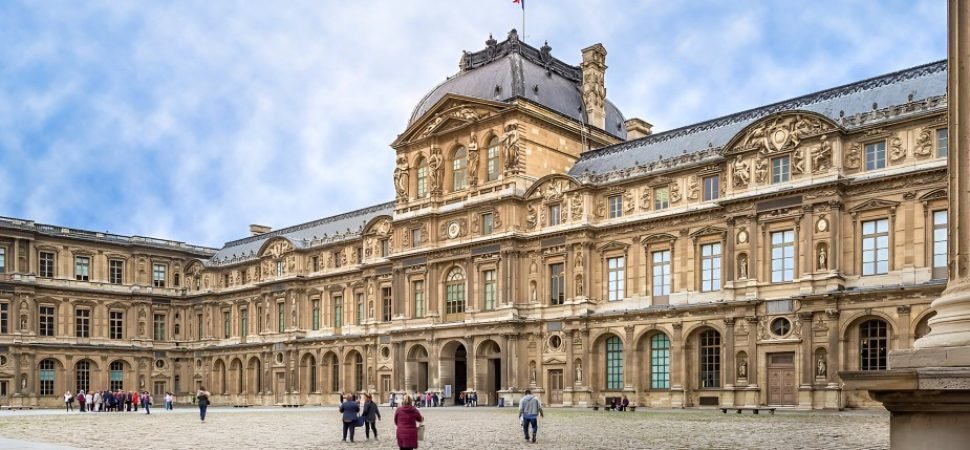
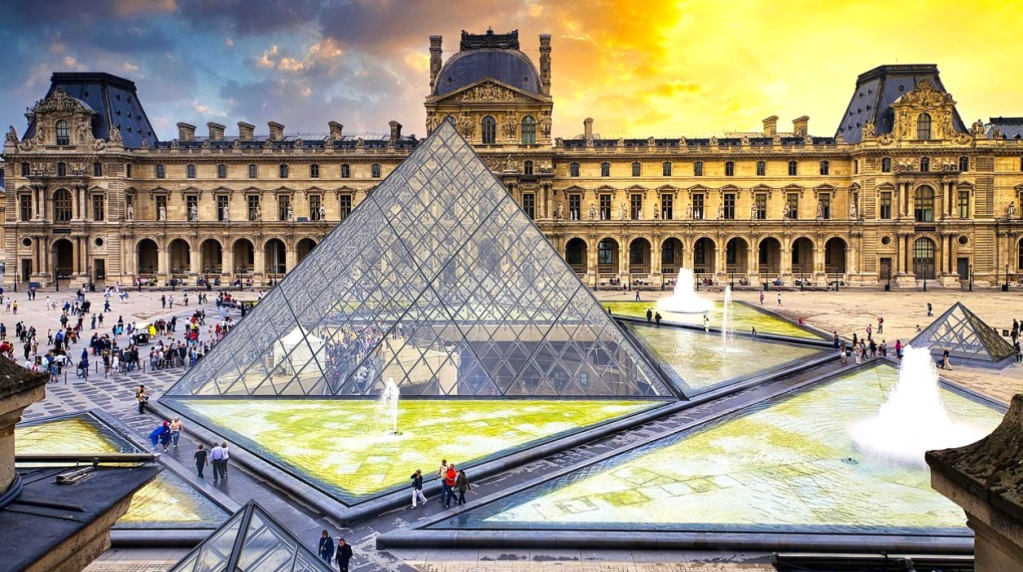
For students of fine arts, no classroom compares to standing before the works of da Vinci, Botticelli, Goya, or Velázquez in person. Europe’s most iconic art museums—the Louvre in Paris, the Uffizi in Florence, and the Museo del Prado in Madrid—are not just cultural landmarks but living textbooks that chart centuries of artistic innovation. Organising field trips across these cities requires logistical finesse, time efficiency, and group safety. This is where coach hire for fine arts majors becomes the perfect solution—offering comfortable, secure, and educationally enriching transport between Europe’s premier art capitals. This guide fully explores how universities, art schools, and academic travel programs can benefit from customised coach services designed for fine arts tours of the Louvre, Uffizi, and Prado.
Why Coach Hire Is Essential for Fine Arts Study Tours
Traveling between Paris, Florence, and Madrid—or even within these cities—can be overwhelming with a large student group. Art History Tour Coach Services Europe Coach hire simplifies this process in many ways:
Comfort & Efficiency for Long-Distance Travel
- Coaches eliminate the hassle of multiple train connections or group flights.
- Ideal for regional connections like Paris to Florence or Florence to Madrid with stopovers in Lyon or Milan.
Onboard Storage for Art Supplies
- Secure compartments for:
- Sketchbooks
- Easels
- Portfolios
- Art kits
Time Management for Museum Schedules
- Coaches offer door-to-door service, helping students arrive punctually for:
- Timed museum entries
- Guided docent tours
- Artist workshops or masterclasses
Flexibility for Cultural Add-Ons
- Stop en route for bonus experiences such as:
- Musée d’Orsay (Paris)
- Academia Gallery (Florence)
- Reina Sofia (Madrid)
The Ideal Audience for Fine Arts Coach Tours
| Group Type | Why They Benefit from Coach Hire |
| University fine arts departments | Multi-city curriculum-linked study tours |
| Art & design schools | Sketching trips, painting excursions, and style analysis |
| Graduate art history cohorts | Comparative studies between Renaissance, Baroque, Modernism |
| Art conservators/restorers | Focused site visits for technique and material study |
| Adult education programs | Cultural enrichment and lifelong learning |
The Big Three: Museum Highlights and Learning Focus
Louvre Museum – Paris, France
Key Themes:
- Classical antiquity to 19th-century realism
- French academic painting and Romanticism
- Islamic and Egyptian art
Iconic Works:
- Mona Lisa by Leonardo da Vinci
- Liberty Leading the People by Delacroix
- Venus de Milo and Winged Victory of Samothrace
Learning Opportunities:
- Understanding the evolution of Western art
- Composition, chiaroscuro, and classical influences
- French Neoclassicism and Romanticism comparisons
Uffizi Gallery – Florence, Italy
Key Themes:
- Birth of the Renaissance
- Humanism and linear perspective
- Medici patronage and Florentine identity
Iconic Works:
- The Birth of Venus by Botticelli
- Annunciation by Leonardo da Vinci
- Tondo Doni by Michelangelo
Learning Opportunities:
- Early Renaissance symbolism and myth
- Study of form, anatomy, and religious iconography
- Contrasts with Northern European styles
Museo del Prado – Madrid, Spain
Key Themes:
- Spanish Golden Age
- Realism, tenebrism, and court portraiture
- Political and religious themes in art
Iconic Works:
- Las Meninas by Velázquez
- The Third of May 1808 by Goya
- The Garden of Earthly Delights by Bosch
Learning Opportunities:
- Goya’s evolution from classicist to critic
- Velázquez’s influence on modern portraiture
- Catholic symbolism and baroque drama
Sample Itinerary: Louvre → Uffizi → Prado (10–14 Days)
| Day | Location | Activities |
| 1–2 | Paris | Louvre visit, Musée d’Orsay, sketching at Jardin du Luxembourg |
| 3 | Paris to Lyon | Coach journey with stop at Musée des Beaux-Arts |
| 4 | Lyon to Florence | Overnight travel or stop in Milan |
| 5–6 | Florence | Uffizi visit, Accademia Gallery, Palazzo Vecchio |
| 7 | Florence to Rome (optional) | Visit Vatican Museums, St. Peter’s |
| 8 | Rome to Madrid | Flight or coach via Barcelona |
| 9–10 | Madrid | Museo del Prado, Reina Sofia, Thyssen-Bornemisza |
| 11 | Return travel | Departure from Madrid or extended stay |
Each leg includes coach transfers between cities, intra-city movements, and day-trip options.
Educational Enhancements with Coach Support
| Onboard Activity | Educational Value |
| Pre-visit briefings | Contextualise upcoming exhibits |
| Video lectures on art movements | Reinforce classroom learning with visual examples |
| Art history quizzes/games | Keep students engaged between destinations |
| Post-museum debriefs/discussions | Reflective group learning while commuting |
| Student presentations onboard | Share interpretations or artwork findings |
Types of Coaches Suitable for Fine Arts Majors
| Coach Type | Seats | Features for Art Students |
| Standard Coach | 49–57 | Storage space, reclining seats, air conditioning |
| Mini Coach | 16–29 | Ideal for smaller cohorts or faculty-only trips |
| Executive Coach | 30–45 | Wi-Fi, leather seats, laptop tables, premium comfort |
| Double-Decker Coach | 65–80 | Larger groups or multi-program delegations |
| Accessible Coach | Variable | Equipped for students with disabilities |
Most include onboard PA systems, restrooms, and luggage compartments for portfolios.
Museums’ Group Access Policies & Booking Tips
| Museum | Group Entry Advice |
| Louvre | Pre-booked timed slots; up to 25 per group |
| Uffizi | Must reserve weeks in advance; guided tours encouraged |
| Prado | Academic discounts available; consider docent-led visits |
Pro tip: Share museum ticket times with your coach company to align transport scheduling.
Language Support and Tour Integration
Many coach operators provide:
- Bilingual drivers (English/French/Italian/Spanish)
- Local guides for onboard commentary
- Coordinators for multi-day logistics
Customise coach packages with:
- Audio systems for art lecture narration
- Printed itineraries
- Emergency support contacts
Additional Cultural Stopovers for Art Context
| City | Optional Stop | Relevance to Fine Arts |
| Paris | Musée Rodin, Picasso Museum | Sculpture, Cubism, early 20th century |
| Florence | Santa Croce, Boboli Gardens | Architecture, sculpture, Renaissance gardens |
| Madrid | Royal Palace, El Escorial | Court art and Spanish Baroque interiors |
Travel Documentation, Insurance & Permissions
Ensure:
- Student travel insurance (medical, cancellation)
- Coach operator licensing for cross-border travel
- Emergency protocols and chaperone ratios
- Art supplies transport rules (some airlines limit wet media)
Case Study: International Art University Tour
Institution: American Art Institute (New York)
Group: 32 students + 4 faculty
Duration: 12-day tour (Paris → Florence → Madrid)
Coach Services:
- Multi-leg coach with overnight hotel support
- Museum scheduling support and coach timing alignment
- Onboard projector for art discussions
Results:
- 6 students selected paintings inspired by the trip for exhibition
- 92% rated coach travel “essential to the experience”
Sustainability and Responsible Touring
Opt for:
- EURO 6 low-emission vehicles
- Carbon-offset contributions
- Group travel (coach vs. car/train) reduces environmental footprint
- No printed materials—use QR itineraries and mobile apps
What to Look for in a Coach Hire Partner
| Criteria | Importance |
| Fine arts or academic travel experience | Understands museum timing, equipment needs |
| Custom route support | Efficient planning across France, Italy, Spain |
| 24/7 emergency contact | Crucial for multi-country tours |
| Multi-lingual staff | Helps with local coordination |
| Insurance and licensing | Especially important across EU borders |
Final Thoughts: Travel as a Studio Without Walls
The experience of seeing the Uffizi’s Botticelli, the Louvre’s da Vinci, or the Prado’s Goya isn’t just awe-inspiring—it’s academically transformative. With the support of professional coach hire, fine arts majors can tour these European masterpieces in a cohesive, safe, and creatively stimulating way. Coaches aren’t just vehicles—they become moving classrooms, discussion hubs, and logistical lifelines. Whether you’re an art school dean or a student sketching your first sculpture in motion, this journey through Europe’s great galleries will become a defining chapter of your artistic education.