
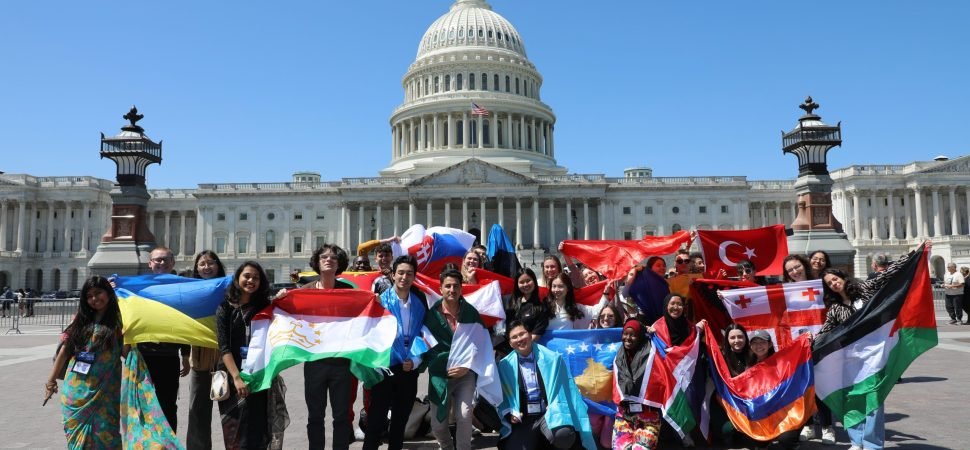

Cultural exchange transport Europe
Cultural exchange programs offer a unique opportunity to promote mutual understanding, tolerance, and global awareness. Whether it’s high school students visiting sister cities, university partnerships, NGO-led language immersion trips, or arts and science delegations, logistics are the backbone of any successful cultural exchange. And at the heart of this logistical framework lies coach hire—the preferred mode of group transportation across Europe. In this detailed guide, we explore why hiring a coach for cultural exchange programs is essential, what types of vehicles and services are ideal, how to plan your routes and itineraries, and what features make travel safe, inclusive, and enriching for young and diverse international groups.
Why Coach Hire Is Ideal for Cultural Exchange Programs
Group Unity and Engagement
Cultural exchange programs rely on cohesion. Students, Cultural exchange transport Europe teachers, chaperones, and program facilitators need to stay connected both physically and socially throughout the journey. Coaches enable:
- Group bonding during travel
- Easy communication among organizers
- Shared experiences en route to cultural sites
1.2 Logistical Control
When traveling by coach, organizers maintain greater control over:
- Departure and arrival schedules
- Stopovers at points of interest
- Luggage handling (vs. chaotic train stations or airports)
Economical and Eco-Conscious
For cultural programs often funded by grants or nonprofits, coach hire is:
- More affordable than individual train or air tickets
- Less carbon-intensive, reducing the group’s ecological footprint
Ideal European Routes for Cultural Exchange
Western Europe
- France: Paris (art/language), Normandy (WWII history), Loire Valley (heritage)
- Germany: Berlin (history), Munich (STEM & culture), Hamburg (media/arts)
- Spain: Madrid (government institutions), Granada (Islamic-European heritage), Seville (music and dance)
Central and Eastern Europe
- Czech Republic: Prague (architecture, diplomacy)
- Hungary: Budapest (history, Jewish heritage)
- Poland: Kraków and Warsaw (cultural memory, EU engagement)
Scandinavia & The Baltics
- Sweden/Norway: Environmental and civic programs
- Estonia/Latvia: Digital society and youth democracy workshops
Southern Europe
- Italy: Rome (ancient history), Florence (Renaissance art), Bologna (education exchange)
- Greece: Athens (democracy studies), Thessaloniki (Byzantine history)
Types of Cultural Exchange Groups That Benefit from Coach Hire
Student Groups (Secondary and University)
- Language exchanges, Erasmus+ programs
- Youth EU parliamentary visits or cultural tours
NGO and Civic Delegations
- Human rights or environmental awareness programs
- Grassroots community exchange and activism networking
Arts and Performance Troupes
- Touring choirs, orchestras, or dance ensembles
- Coaches with luggage trailers or wardrobe racks
Educators and Institutional Delegations
- Academic conference delegations
- Teacher exchange and curriculum studies groups
What to Look for in Coach Hire for Exchange Programs
Experienced Operators
Look for companies that have:
- Worked with educational or nonprofit institutions
- Understand visa and customs timelines
- Are flexible with multi-country scheduling
Multilingual Drivers and Support
- Multilingual staff enhances comfort and confidence
- Drivers trained in youth safeguarding policies
- Clear communication during emergencies or delays
Safety-Centric Approach
- Coaches equipped with GPS tracking
- Safety belts, regular maintenance records
- 24/7 emergency support line
Coach Features Tailored for Cultural Exchange
- Wi-Fi access: Helps participants research and engage during travel
- Audio-visual systems: Play educational videos or language learning media
- USB charging ports: Essential for staying connected
- Onboard restrooms: Necessary for long-haul routes
- Luggage trailers: Especially important for longer stays or groups with instruments
Sample Itinerary: Two-Week Western Europe Cultural Exchange by Coach
Day 1–3: Paris, France
- Eiffel Tower, Musée d’Orsay, French host family immersion
- Attend a bilingual workshop at UNESCO headquarters
Day 4–6: Brussels, Belgium
- Visit the European Parliament
- Cultural visit to Bruges
- Chocolate making and EU history lesson
Day 7–9: Amsterdam, Netherlands
- Anne Frank House, Van Gogh Museum
- Bike tour and canal cruise
- Dialogue with a local youth NGO
Day 10–12: Berlin, Germany
- Berlin Wall, Checkpoint Charlie
- Interactive democracy session
- Local school partnership meet-up
Day 13–14: Prague, Czech Republic
- Charles Bridge, Old Town Square
- Performance night with partner group
- Farewell dinner
Planning Tips for Organizers
Pre-Trip Coordination
- Confirm headcounts at least one month prior
- Collect dietary, medical, and accessibility requirements
- Distribute a clear coach travel schedule with all stops and contact info
Insurance and Paperwork
- Verify coach operator’s public liability and passenger insurance
- Ensure all passengers have proper visas and passports
- Secure travel insurance for the group (medical, cancellation, etc.)
Packing Guidelines
- Use luggage tags with country codes
- Keep a carry-on bag with essentials during long coach rides
- Coordinate musical or performance gear with luggage trailer needs
Environmental and Cultural Responsibility
Coach travel aligns well with the values of sustainable and responsible tourism, especially important for modern exchange programs focused on SDGs and global citizenship. Choose operators that:
- Offset emissions
- Partner with local communities
- Support diversity, equity, and inclusion practices
Conclusion: Uniting Cultures, One Journey at a Time
Cultural exchange programs shape minds, challenge worldviews, and build lifelong friendships. But the behind-the-scenes logistics, particularly safe and efficient transport, make the magic happen. Coach hire for these programs isn’t just about getting from point A to B—it’s about creating space for shared discovery, growth, and connection. With the right coach provider, cultural exchanges across Europe can be not only educational but transformational.